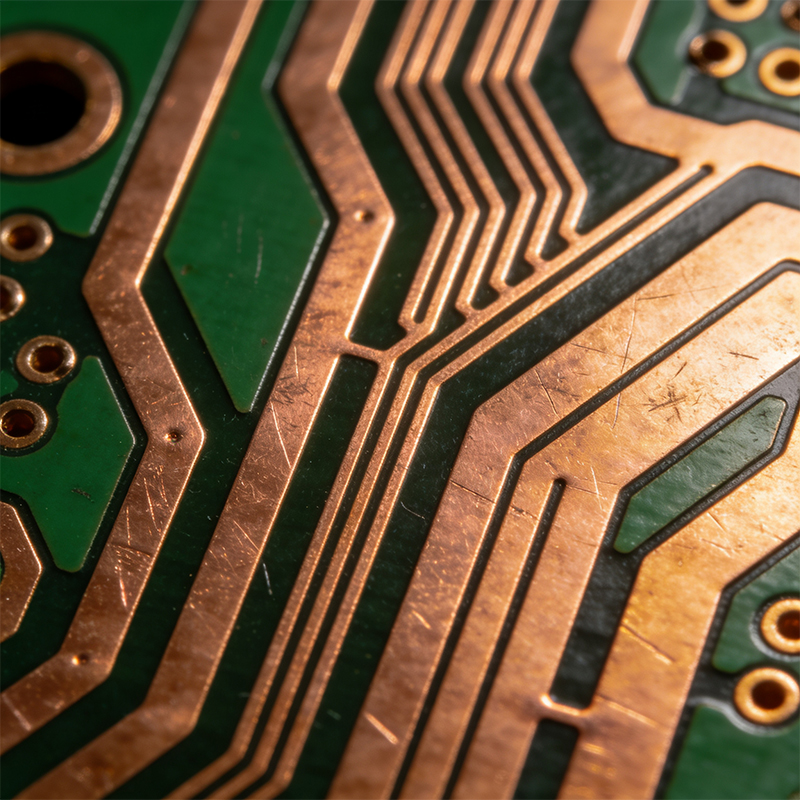
If you've ever looked at a circuit board, you know it's mostly green—or blue, red, black, whatever color you chose for the solder mask. But underneath that coating, the real star of the show is copper……
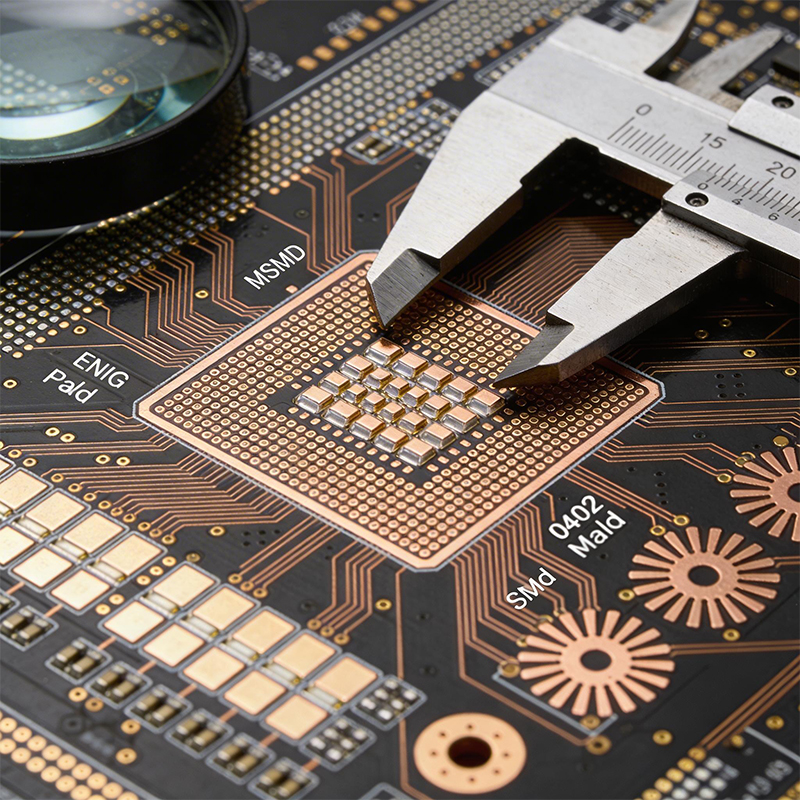
If you've ever had a board where components just wouldn't solder right—where pads lifted, solder didn't wet, or joints cracked after a few thermal cycles—chances are the problem started with thesolder……
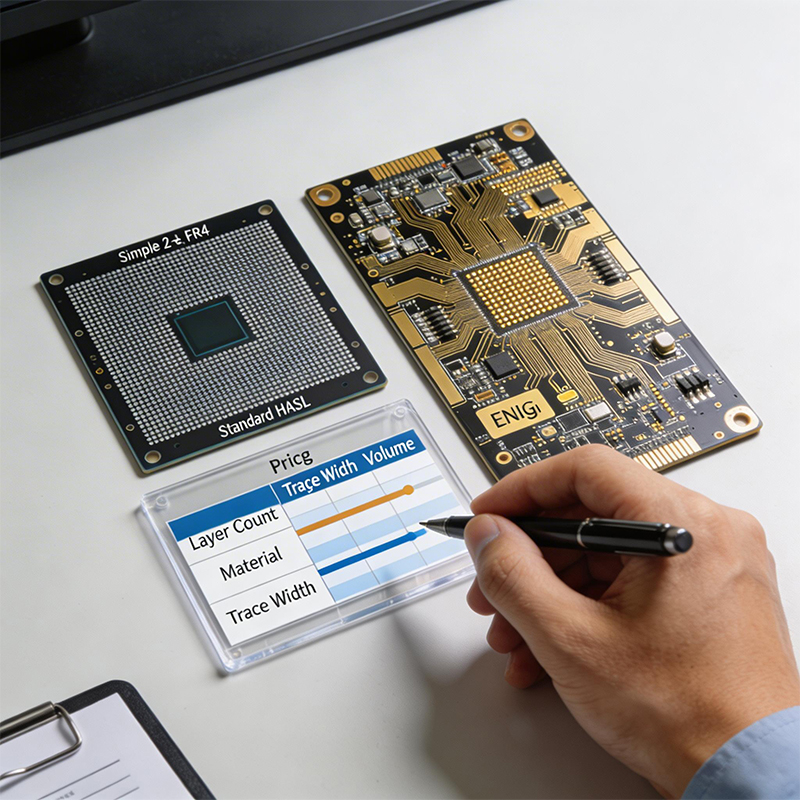
Let's be honest. When you're sourcing custom PCBs, the pricing can feel like a black box. You send the same design to three different manufacturers and get quotes ranging from $50 to $500. What's goin……
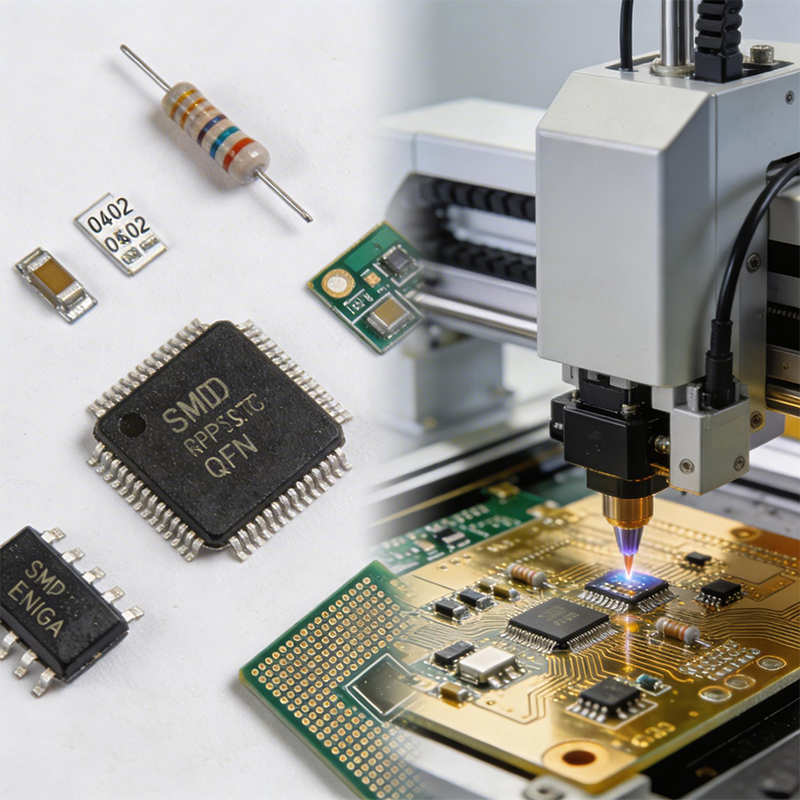
If you've been in electronics manufacturing for any length of time, you've probably heard the termsSMDandSMTthrown around. Sometimes people use them interchangeably. Sometimes they get confused. But h……
You're on a call with your customer. They're telling you that a batch of boards has failed in the field. They need to know what went wrong, and they need to know fast. Your first question is: which ba……
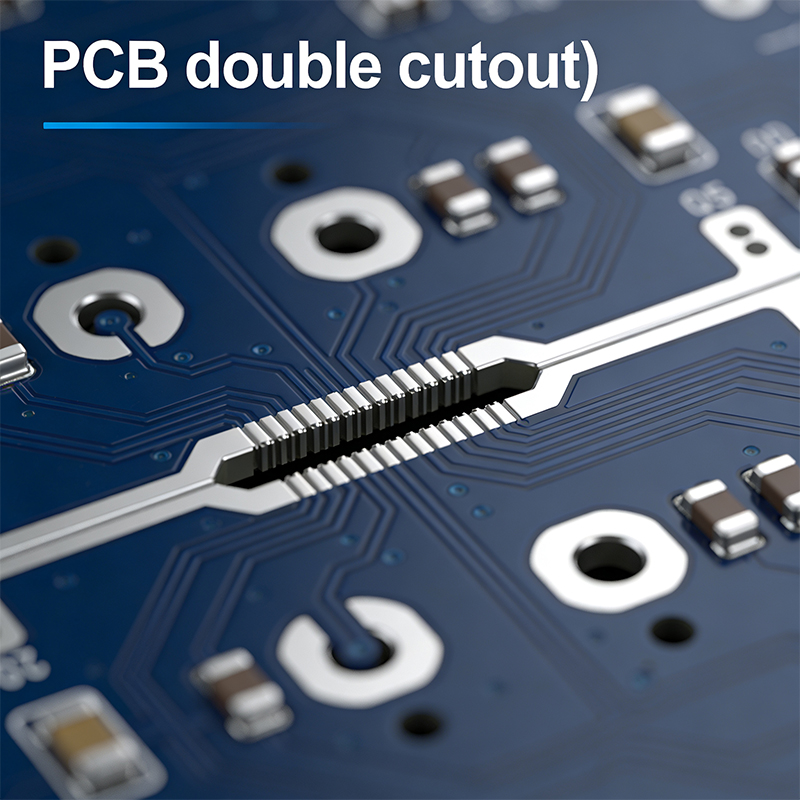
You've designed a board that fits perfectly into its enclosure. The connectors line up, the mounting holes are in the right places, and everything looks good on screen. But then you realize: your boar……
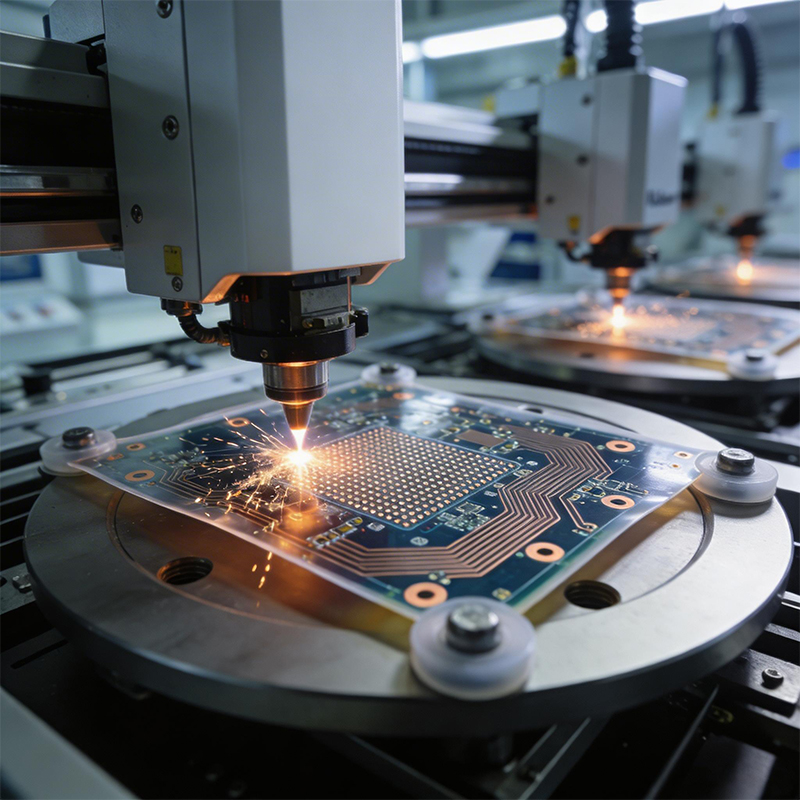
If you've ever drilled a standard rigid PCB, you know the drill—pun intended. You set up the CNC, pick the right bit size, and run the program. The board sits flat, the material is rigid, and as long ……
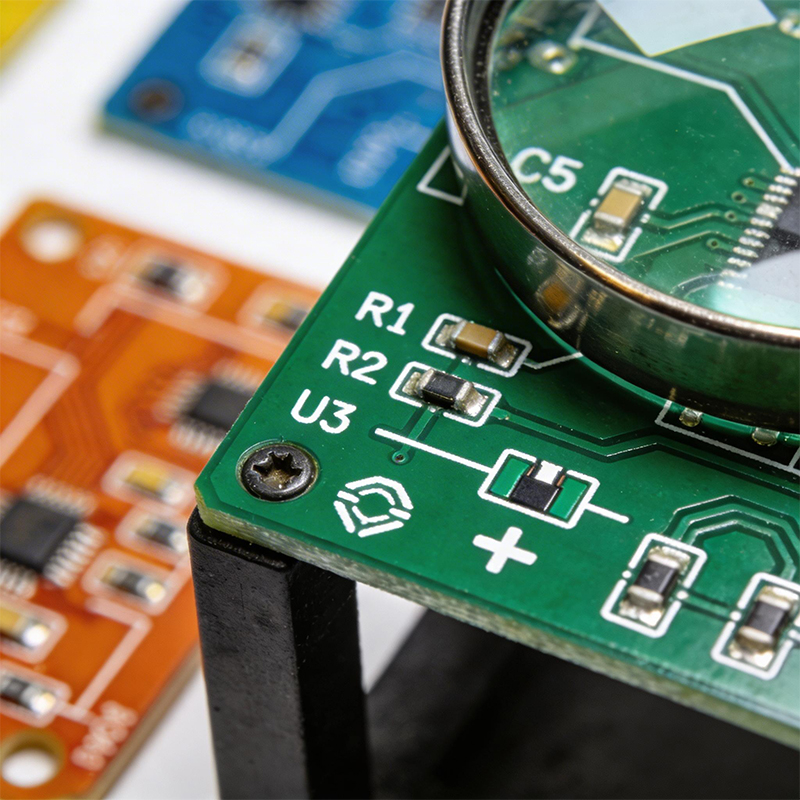
If you've ever looked at a circuit board, you've seen it. Those white letters and lines that label every component, show you which way the diode faces, and tell you where to probe. That'ssilkscreen.Mo……
If you've ever designed a circuit board, you know the feeling. You spend weeks perfecting the schematic, carefully placing components, routing traces, checking and rechecking everything. Then you send……
You've spent weeks perfecting your PCB layout. The traces are routed, the components are placed, and everything looks great on screen. But here's the thing: your board doesn't exist in isolation. It n……
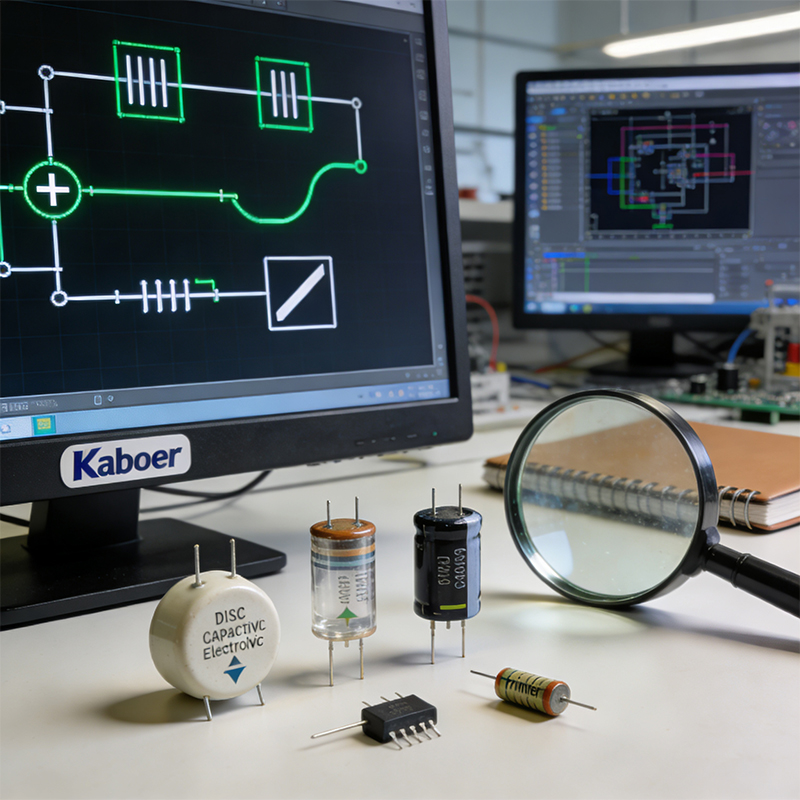
If you've ever looked at a circuit diagram, you've seen it—those two parallel lines, or a straight line next to a curved one. It's thecapacitance symbol, and it's one of the most basic yet essential m……
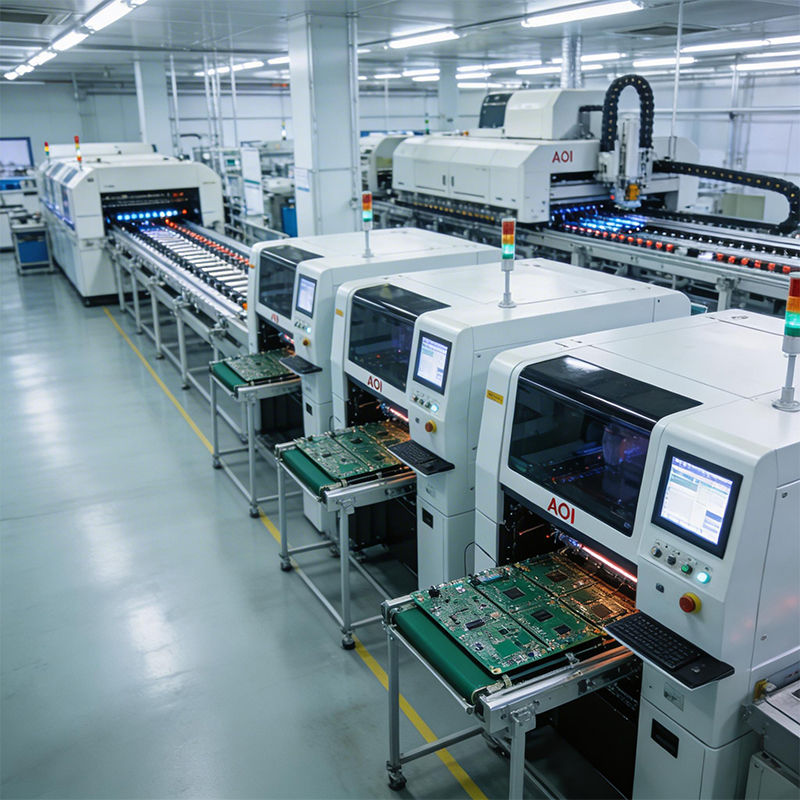
You've designed the perfect board. The components are placed, the solder joints look clean, and everything seems fine. But how do you really know? In electronics manufacturing, what you can't see can ……

.jpg)


 English



 Wechat
 +86 13670210335
 +86 13670210335
 E-mail