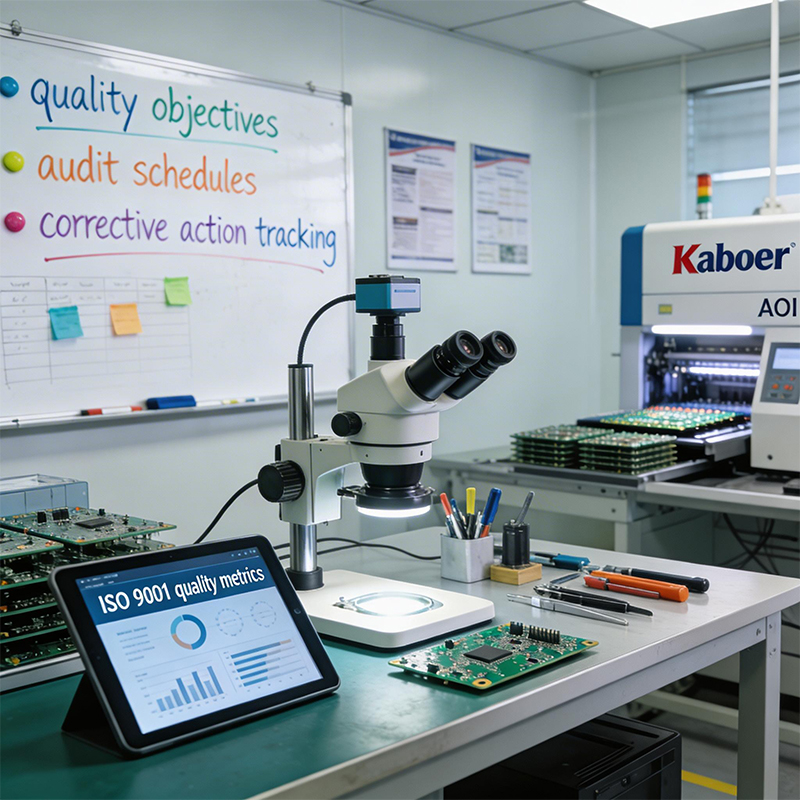
If you're in the business of making electronic products, you've probably heard the termISO 9001 certificationmore times than you can count. Maybe you've even lost a potential client because you didn't……
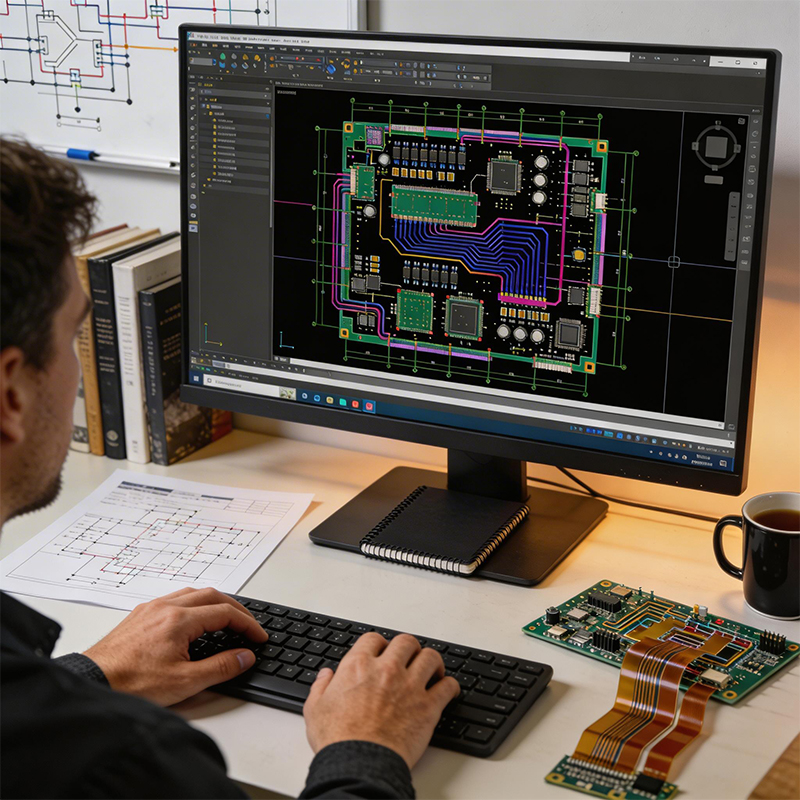
If you're reading this, you probably already know what a PCB is. You've sourced them, specified them, maybe even repaired them. But designing one from scratch? That's a different beast entirely.I reme……
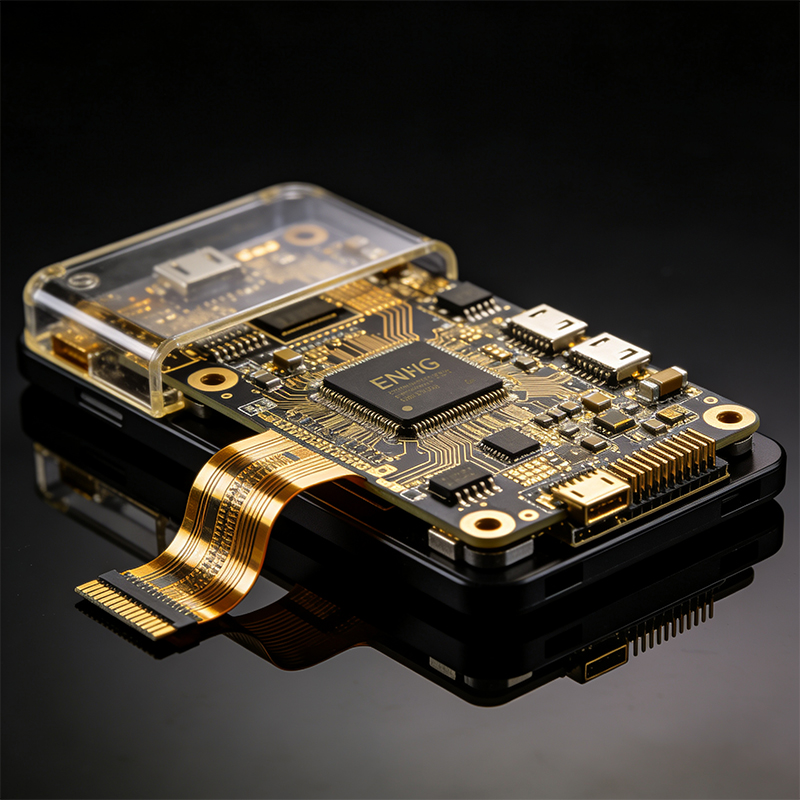
If you've ever opened up an electronic gadget and stared at that green board covered in tiny parts, you've looked at acircuit board device. It's one of those terms people throw around without really d……
You've got a circuit board that works perfectly. It's been designed, fabricated, and assembled. All the components are in place, and it passes every test you throw at it. But here's the thing: a bare ……
You've probably walked through a production floor or looked at a finished circuit board and wondered: who makes sure all this actually runs smoothly? Who figures out why a pick-and-place machine keeps……
Let's be honest. When you're sourcing a manufacturer for your electronic products, you're not just looking for someone to slap components on a board. You're looking for a partner who can actually deli……
Let's be honest for a second. When you look at a finished circuit board, it's easy to focus on the big picture—the layout, the layers, the overall design. But here's the thing: all of that is just the……
Let’s be real for a second. If you’re in the business of making electronic products, you’ve probably heard the termsurface mount technologymore times than you can count. It’s one of those industry bas……
Let's be honest—if you're in the business of making electronic products, you've heard the termsurface mount devicemore times than you can count. It's one of those industry basics that everyone assumes……
Let’s be real for a second. If you’re in the business of making electronic products, you can’t escapeSMT surface mounting technology. It’s the engine under the hood of every smartphone, smartwatch, an……
You use them every day. Your phone, your laptop, your car—they're all packed with them. But have you ever stopped to wonderhow are printed circuit boards made? It's not something you can whip up in a ……
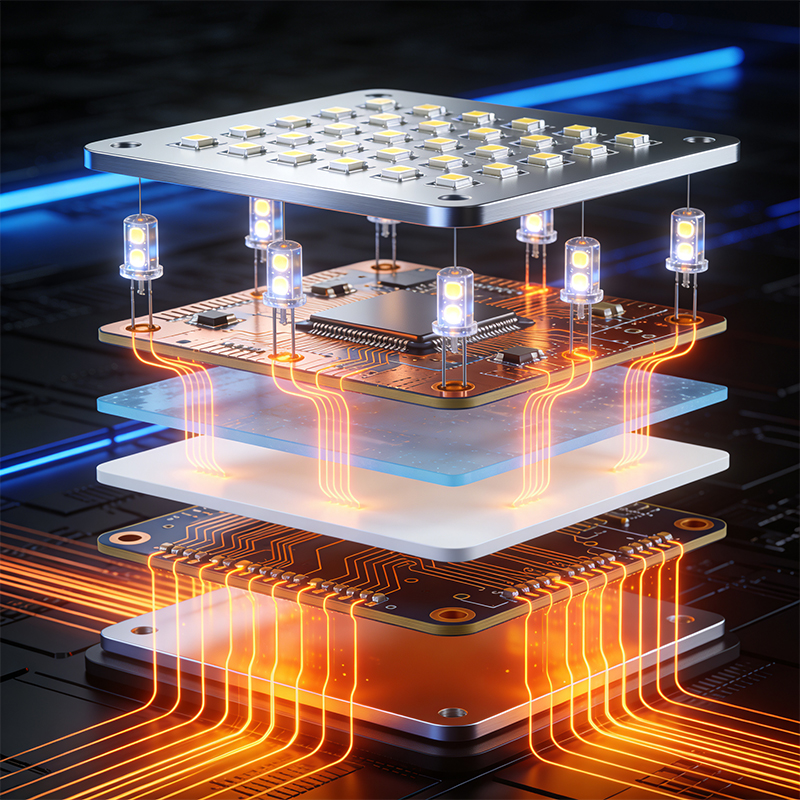
You've probably noticed that LED lighting has taken over—streetlights, car headlights, even the bulb in your desk lamp. They're brighter, last longer, and use less power. But behind every reliable LED……

.jpg)



 English



 Wechat
 +86 13670210335
 +86 13670210335
 E-mail