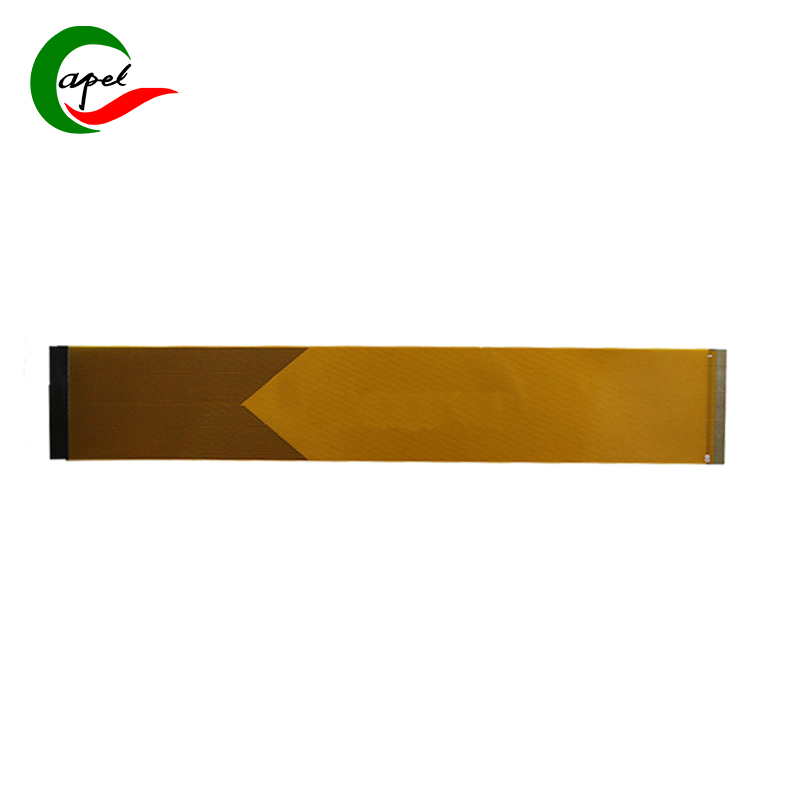
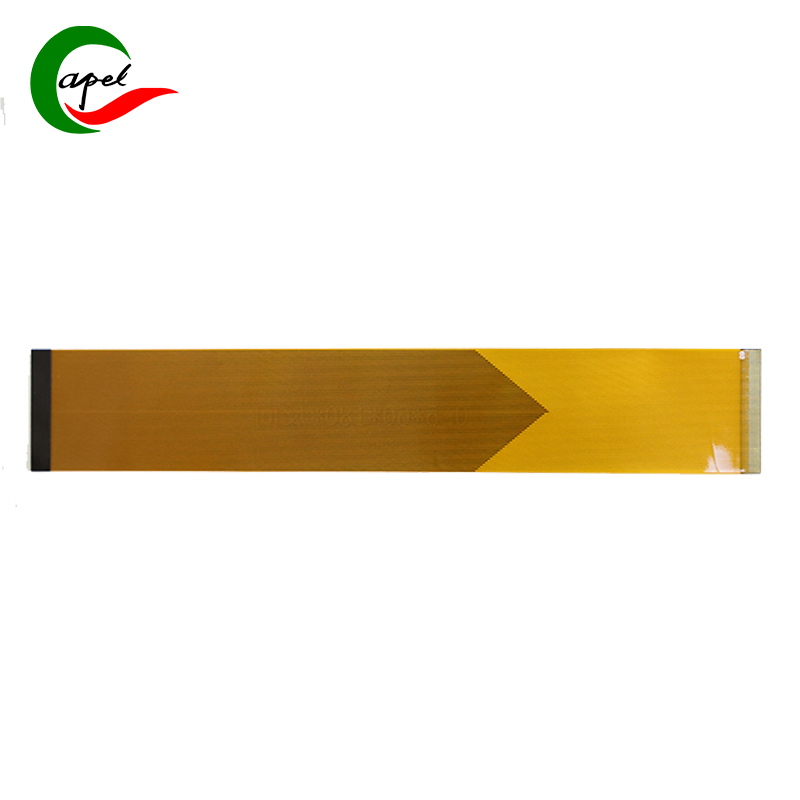
Kaboer’s Dual-Sided Flexible PCB with Transfer Ribbon Cable is tailor-made for core connectivity needs across multiple industries—including consumer electronics, medical devices, automotive electronics, and IoT terminals. Designed for internal component interconnection, signal transmission in narrow spaces, and dynamic part connections, it precisely meets the core demands of "ultra-thin flexibility, stable transmission, fatigue resistance, and precise adaptation". With the robust configuration of "1mil immersion gold finish + PI reinforcement", it stands as a preferred solution for device interconnection, empowering brands to develop compact, high-reliability end products!
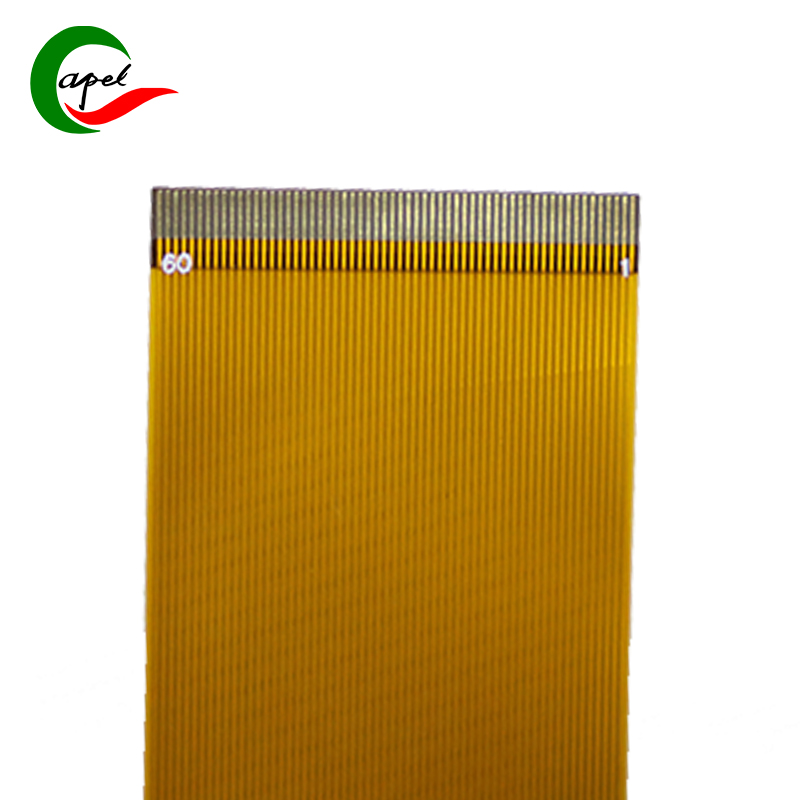
Featuring a dual-sided flexible structure with localized PI reinforcement, it perfectly balances connectivity adaptability and mechanical stability: at only 0.13mm thick, it is extremely slim with exceptional bending resilience, seamlessly fitting narrow cavities, curved structures, and connections between dynamic components (e.g., sensors to motherboards, display modules to control units) inside devices. It enables flexible, seamless wiring, completely solving the pain point of traditional rigid cables being unable to adapt to complex paths and dynamic scenarios; PI reinforcement in critical areas enhances mechanical strength of interfaces and high-density wiring zones while ensuring flexible connectivity, improving plug-in durability and deformation resistance. This avoids line damage caused by frequent bending or assembly operations, extending product service life. Backed by refined manufacturing standards, the 0.27/0.125mm fine line width/spacing and 0.2mm micro drill size enable integration of high-density signal channels and precise solder joint connections, accommodating multiple groups of signal and power transmission in limited space and providing sufficient connectivity support for multi-functional device integration.
Key advantages directly address interconnection pain points, demonstrating connectivity-grade robustness: ① Dual protection of 1mil immersion gold finish and PI reinforcement—the immersion gold surface offers excellent conductivity, oxidation resistance, and wear resistance, with low contact resistance ensuring high-speed, stable transmission of signals and power, eliminating signal interruptions or power loss caused by poor contact; the PI reinforcement layer is high-temperature resistant and anti-aging, further enhancing the PCB’s environmental adaptability and structural stability, adapting to harsh operating conditions such as wide temperature ranges (-40℃ to 85℃) and humidity; ② Dual-sided wiring design significantly improves space utilization and transmission efficiency, supporting flexible separation of signal and power channels to avoid crosstalk. It meets the composite needs of "data transmission + power supply", while the immersion gold surface enhances soldering reliability, reducing module assembly defect rates and adapting to mass production requirements; ③ The flexible substrate combined with the transfer ribbon cable structure boasts excellent fatigue resistance, withstanding tens of thousands of bending cycles. It adapts to dynamic device working scenarios (e.g., foldable screen opening/closing, robotic arm movement connections) while the lightweight design helps reduce overall device weight, aligning with the "slim and lightweight" trend of consumer electronics and portable devices.
Backed by Kaboer’s profound technical accumulation in flexible PCBs and strict quality control system, this dual-sided flexible PCB with transfer ribbon cable can be customized for circuit layout, cable length, and dimensions based on device requirements (e.g., connection distance, interface type, reinforcement position). Paired with rapid prototyping and efficient SMT assembly services, it helps customers shorten R&D cycles and accelerate time-to-market. Whether for precision interconnection in consumer electronics, stable signal transmission in medical devices, or vibration-resistant connections in automotive electronics, it serves as the "core connectivity hub" of devices with core advantages of "flexible adaptation, stable durability, and efficient transmission". It empowers brands to enhance product reliability, reduce after-sales risks, and build competitive advantages in multiple markets!




 English
 Automotive Double-Sided Flexible PCB
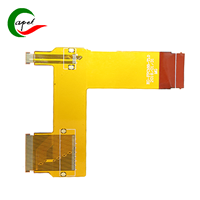 Medical Device Double-Sided Flexible PCB
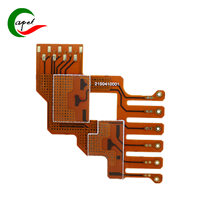 Medical Device Double-Sided Flexible PCB
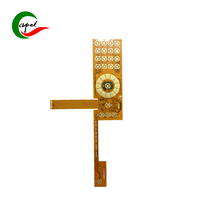 Medical Device Double-Sided Flexible PCB
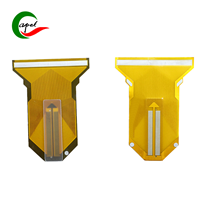 Medical Device Double-Sided Flexible PCB
 Double-sided Flexible PCB for Display



 Wechat
 +86 13670210335
 +86 13670210335
 E-mail