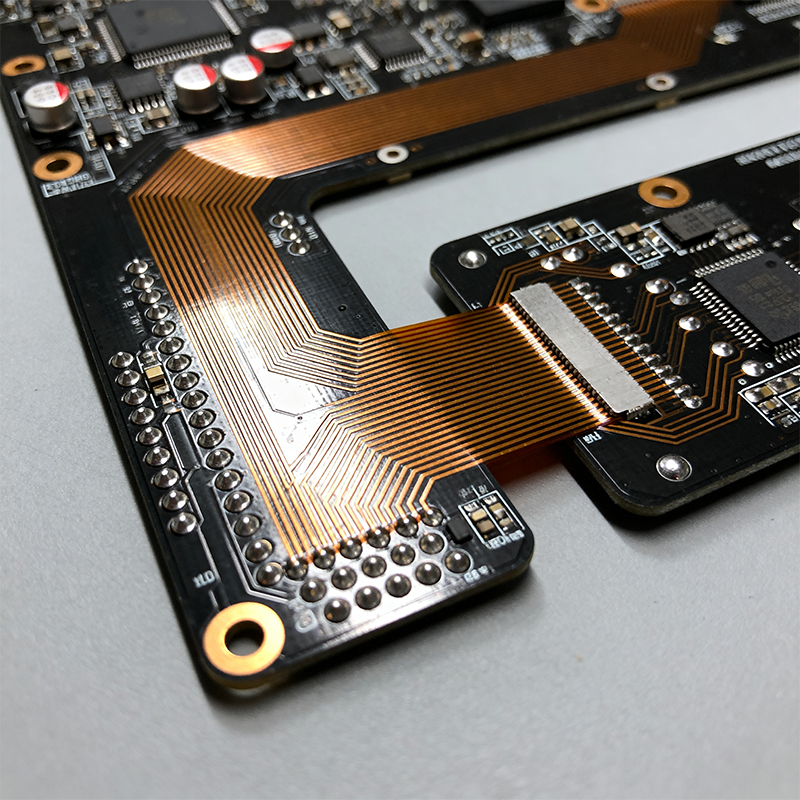
Imagine you're designing a device that needs to fold, twist, or fit into a tight, unusual space. Maybe it's a compact camera, a cutting-edge wearable, or a medical probe. The traditional solution? Con……
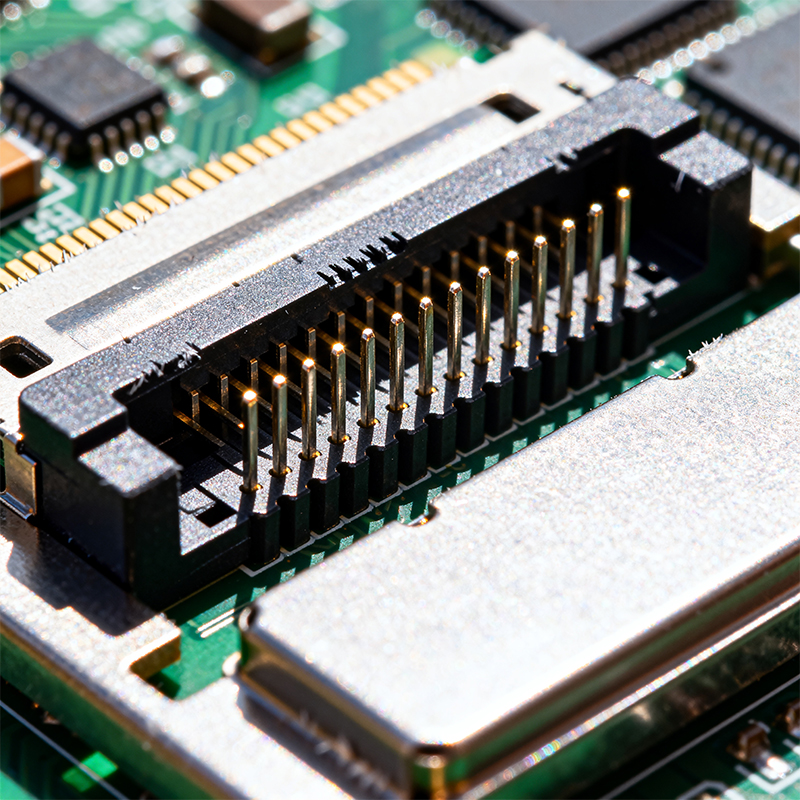
Think about the last time you connected two things. Maybe you plugged a USB cable into your laptop, or clicked a LEGO brick onto another. There was a satisfying click, and you knew a connection was ma……
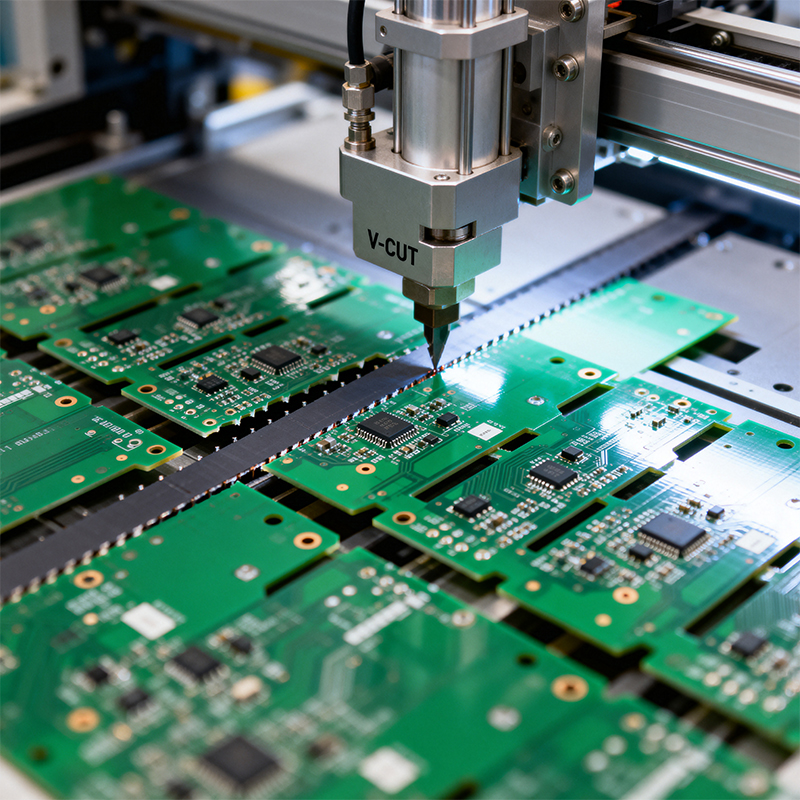
Imagine you’ve just baked a large sheet of cookies. You don’t serve the whole pan—you separate them into perfect, individual pieces. In the world of electronics manufacturing,PCB depanelingis that exa……
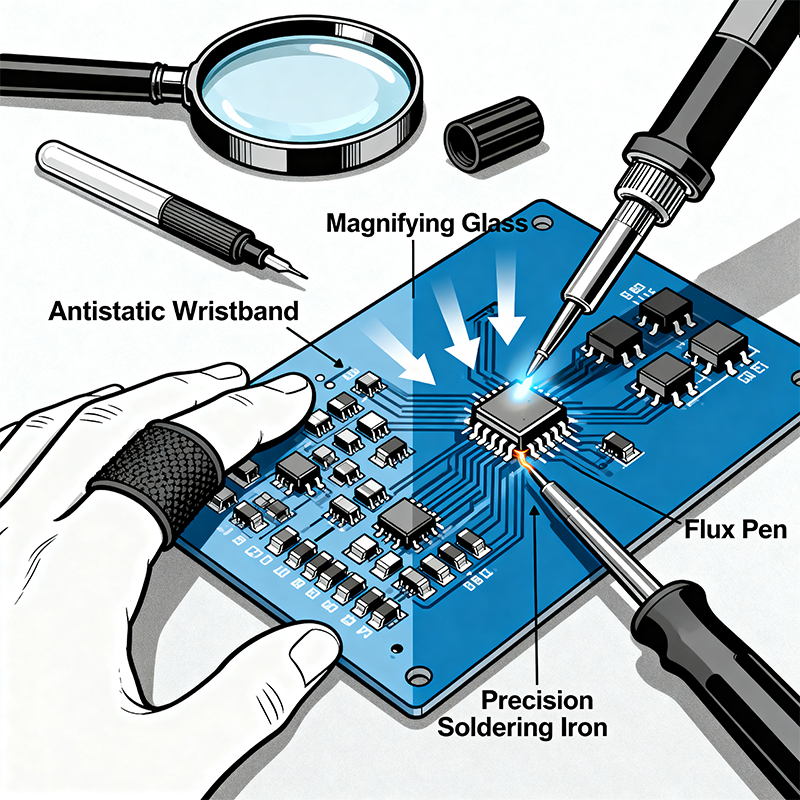
Let’s be honest—seeing a new circuit board design covered in tiny, flat components can be intimidating. For a prototype or a small batch, sending it to an assembly house might feel like overkill. And ……
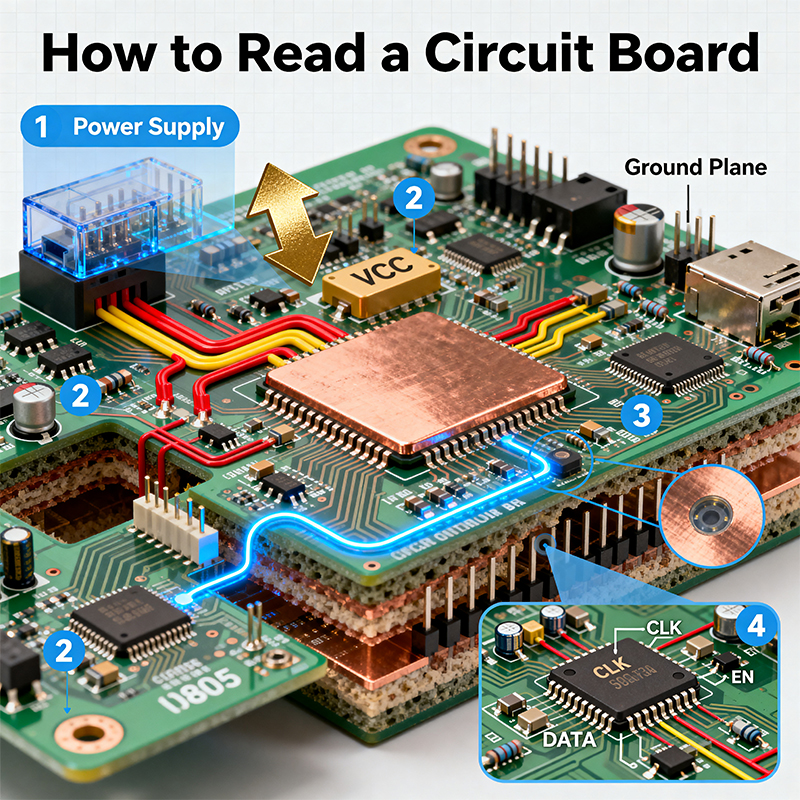
Ever held a circuit board and felt like you're looking at a foreign city map without a legend? You see a sea of tiny parts, squiggly lines, and cryptic codes. For anyone sourcing, testing, or integrat……
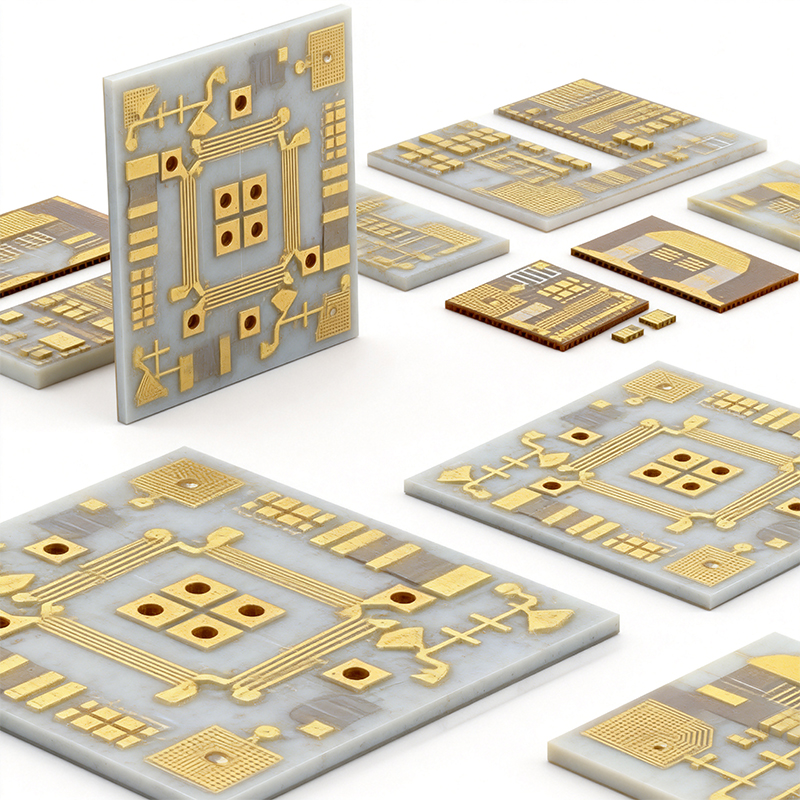
Let's get straight to it. You're probably reading about ceramic PCB material because you've hit a wall with standard boards. Your design works, but it runs hot—maybe too hot. You're not just looking f……
You've got a design. Maybe it's on a screen, full of promise. Maybe it's a prototype that needs to go from "it works on my bench" to "it works every time, for thousands of users." This is the cruci……
Let’s start with something you’re holding right now: your phone. It’s slim, powerful, and packed with features. Now, imagine cracking it open (please don’t). Inside, you won’t find a tangle of wires a……
Let's be honest: the real world is messy. Humidity, condensation, accidental spills, and industrial dust don't care about your perfectly designed circuitry. For an electronics manufacturer, this means……
You've sent off your PCB design files. A few weeks later, a box arrives with finished, assembled boards. But whatactuallyhappened in between? For anyone sourcing electronics, understanding the journey……
Let’s talk about a scenario you might have faced: your latest design runs hot. We’re not talking a little warm—we’re talking about power modules, high-brightness LED arrays, or RF components that turn……
You're designing a new product. The specs call for something powerful yet compact—maybe a wearable health monitor, a miniaturized IoT sensor, or the next-gen router. Your circuitry is complex, but the……





 English



 Wechat
 +86 13670210335
 +86 13670210335
 E-mail