When you search for “printing circuit boards,” you might be looking for a supplier for your new product, or trying to understand this seemingly basic yet critical manufacturing step. Perhaps you’ve re……
When designing a new product, you probably don't give much thought to the insulating material at the very bottom of the circuit board. But have you ever faced: unstable performance in high-frequency e……
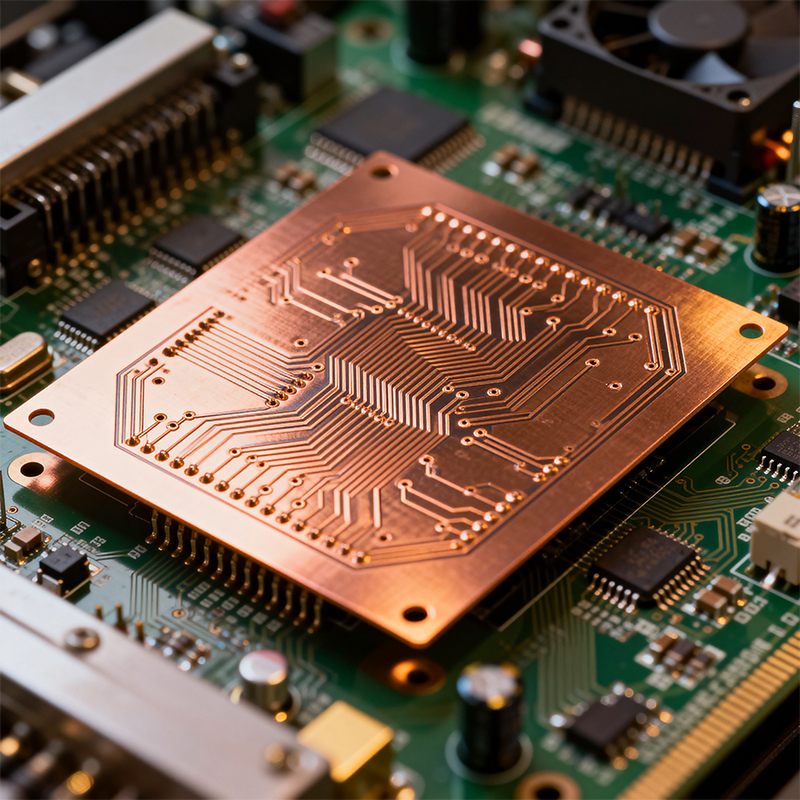
You're probably searching for "copper PCB" because you're wrestling with a tough design—maybe a high-power LED driver, an automotive power module, or an industrial controller that needs to handle tens……
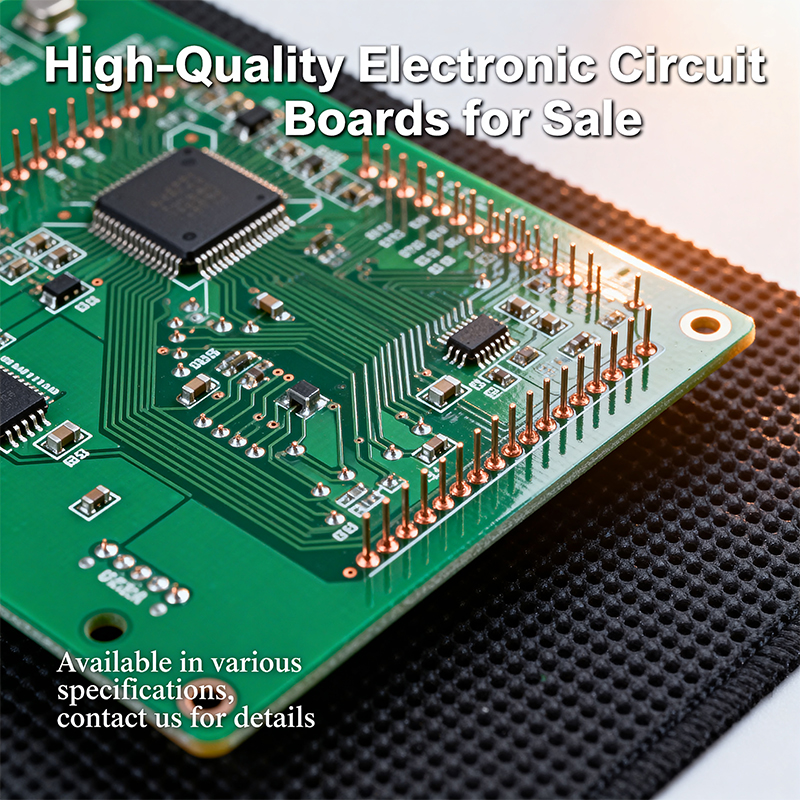
When you search for "electronic circuit boards for sale," you're probably thinking: "I need a reliable supplier, but how do I know who to trust?" "The price looks good, but can the quality really be t……
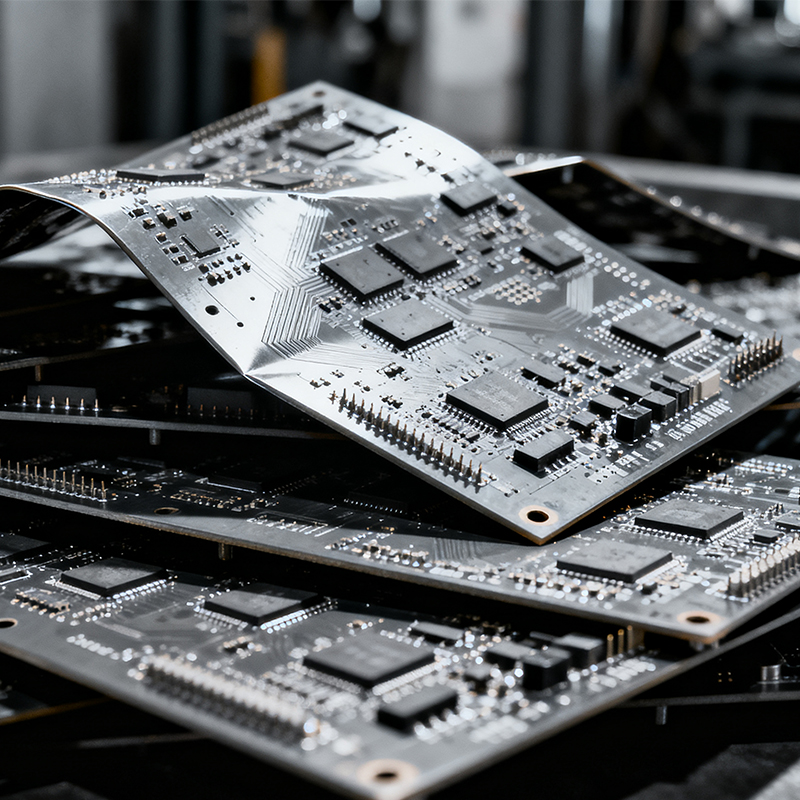
Imagine your perfectly designed circuit board looking flawless on the production line, only to come out of soldering curved like a potato chip—that's board warpage, a practical headache for many elect……
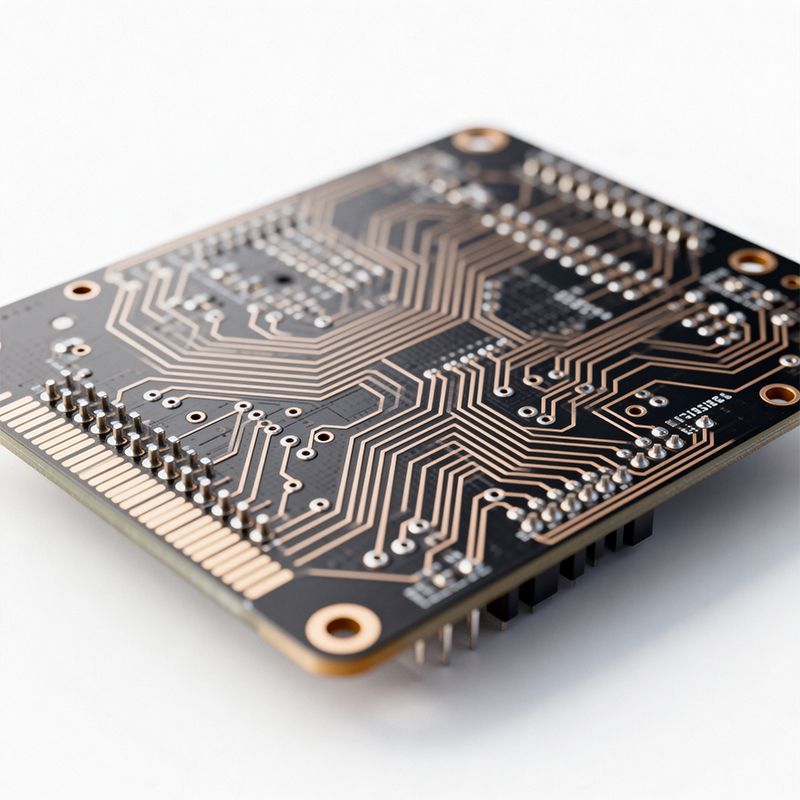
When you hold a circuit board that's completely bare—with only copper traces and pads, no components in sight—you're looking at what the industry calls a "bare board." It's like a blank canvas before ……
If you open up any electronic device and see that green (or other colored) circuit board, its most fundamental material is copper clad laminate. But do you really understand this seemingly simple mate……
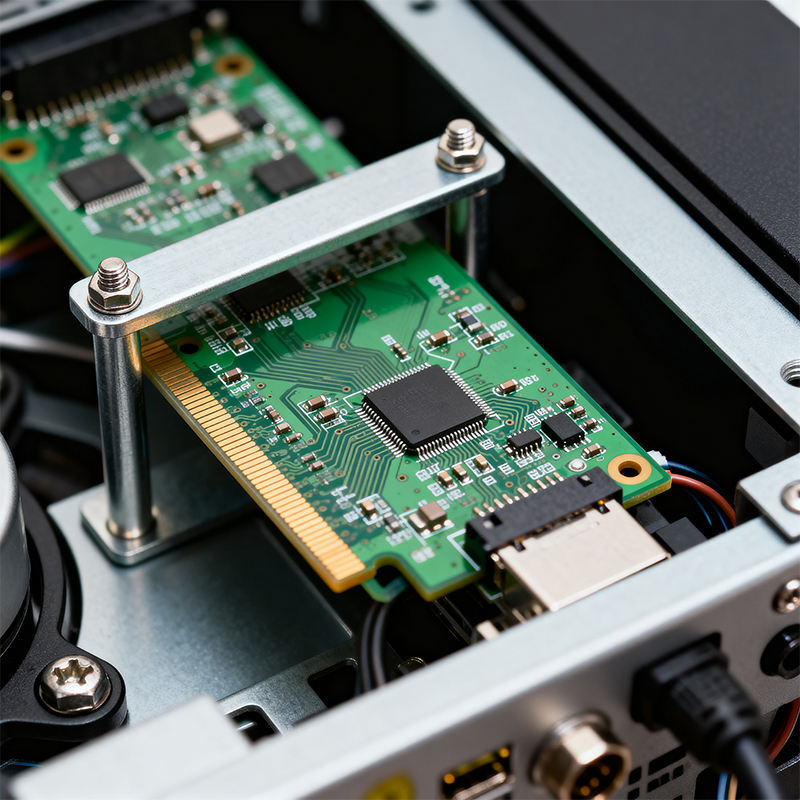
What Exactly is PCB Mount? You Probably Encounter It Daily If you open up any electronic device, you'll see various components fixed onto a circuit board—that process is PCB Mount. Simply put, PCB ……
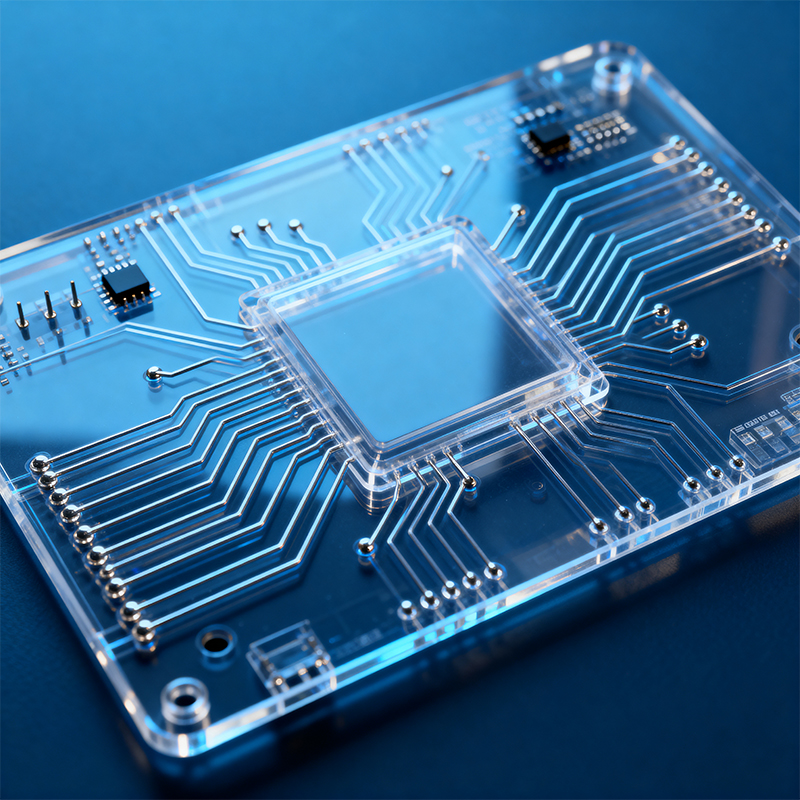
Have you ever imagined a circuit board that’s as see-through as glass? It might sound like a prop from a sci-fi movie, but transparent PCB boards are very much a real technology today. From those eye-……
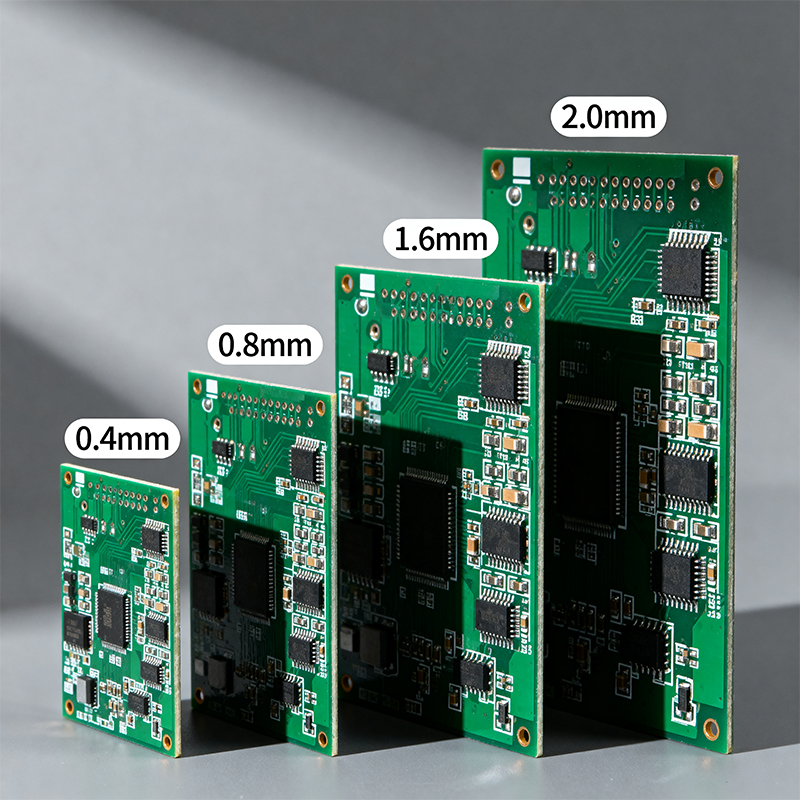
Why PCB Thickness Matters More Than You Think When engineers design circuit boards, thickness selection is often an afterthought, but this parameter directly impacts product performance, reliabilit……
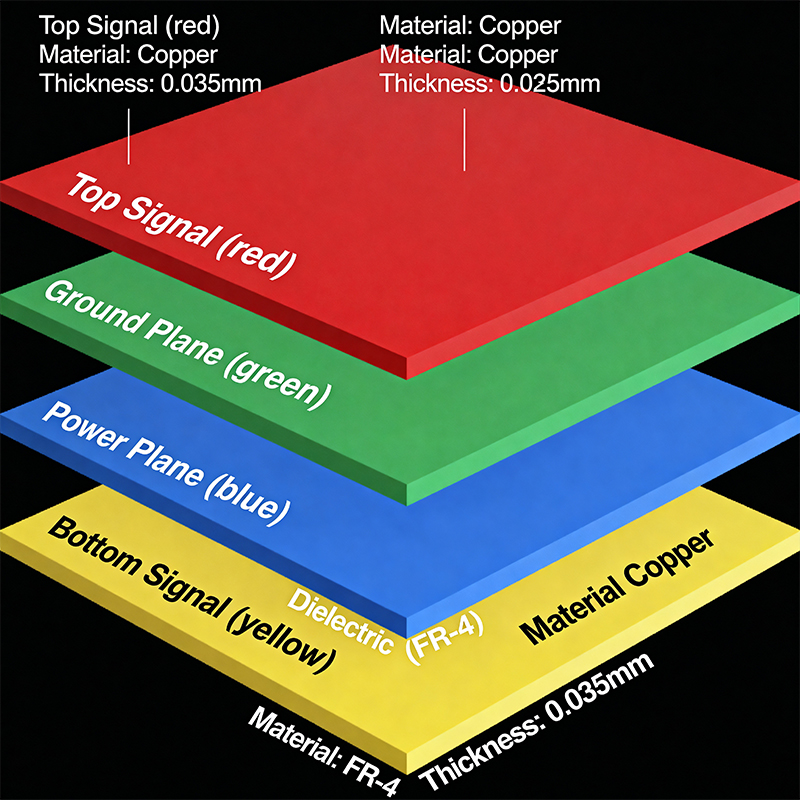
Have you ever struggled with persistent circuit noise on a 2-layer board, barely passed signal integrity tests, or repeatedly failed EMC certifications? If you’re designing a product of medium complex……
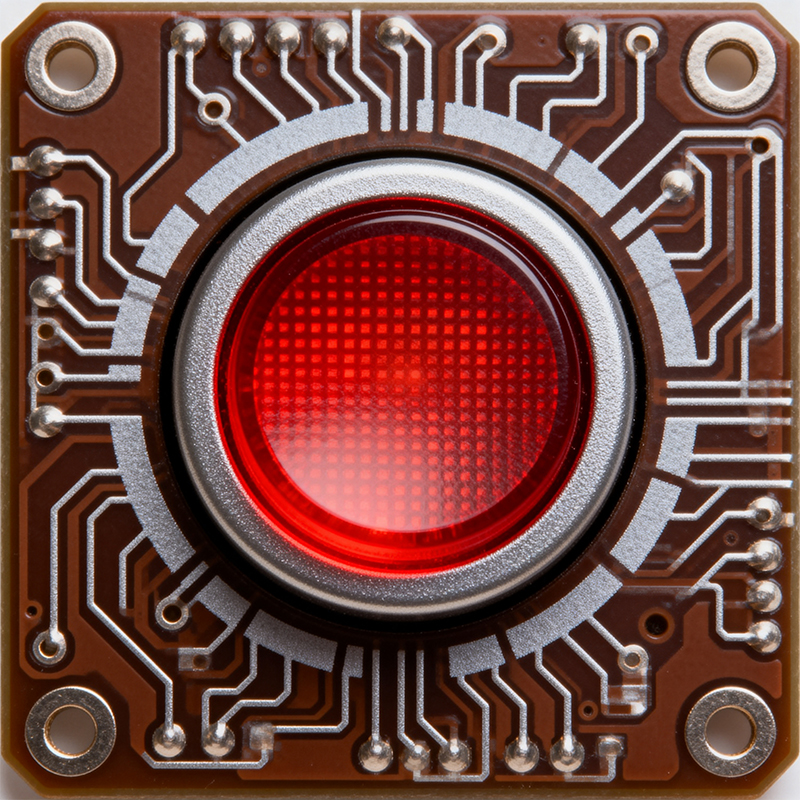
Let's be honest—when you're searching for abutton for pcb, you're usually past the stage of just needing "a switch." You're likely staring at your board layout, trying to solve a very real puzzle: how……
.jpg)


 English



 Wechat
 +86 13670210335
 +86 13670210335
 E-mail