Let's talk about 20-layer flexible printed circuits (FPCs). These aren't your average flex boards. They're the high-density, complex wiring that fits into the tightest spaces, powering stuff like sate……
Let's break down how these heat-managing circuit boards are actually constructed. At its heart, an aluminum board is a simple but brilliant three-layer sandwich. Each layer has a very specific job, an……
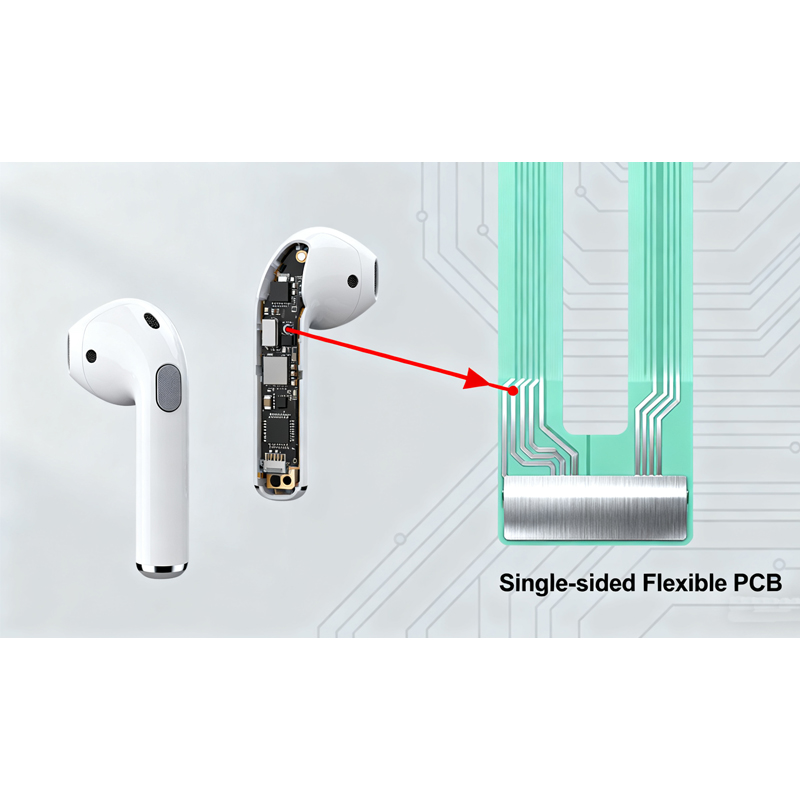
Let's be real - the secret to cheap, functional earbuds isn't some fancy tech. It's a simple, single-sided flexible PCB. Think of it as the circuit board equivalent of a basic, bendy straw. It's not s……
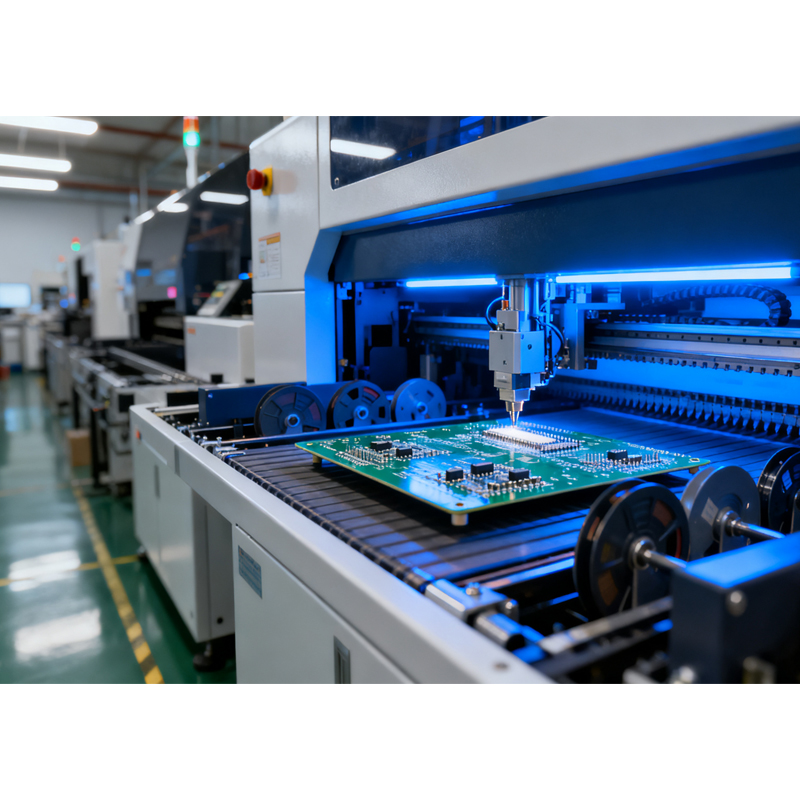
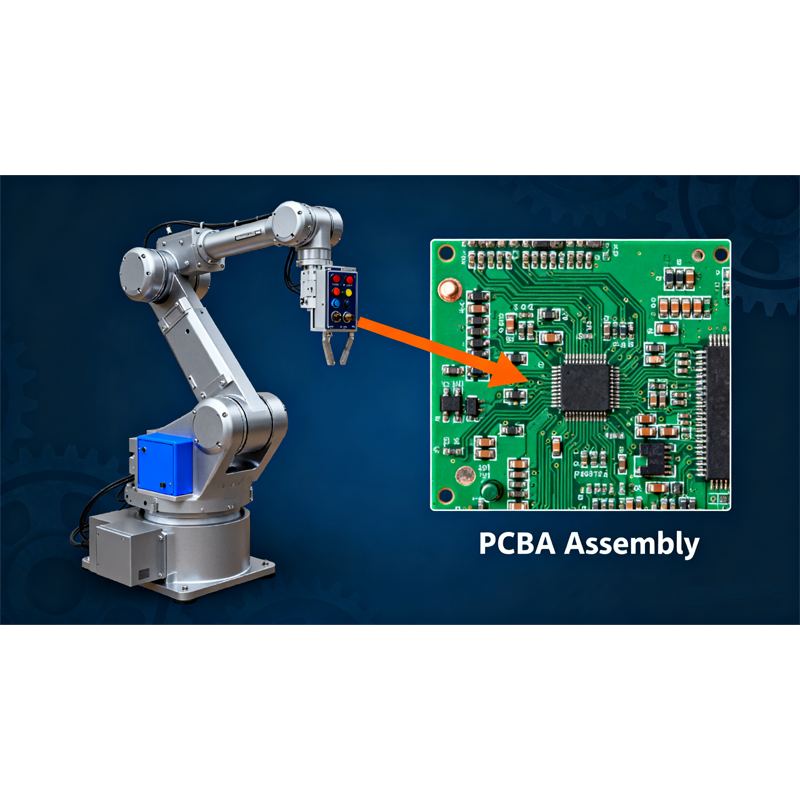
Forget the old-school way of poking parts through holes. That's for your grandpa's radio. Surface Mount Technology (SMT) is how everything modern gets made. It's faster, cheaper, and lets us build stu……
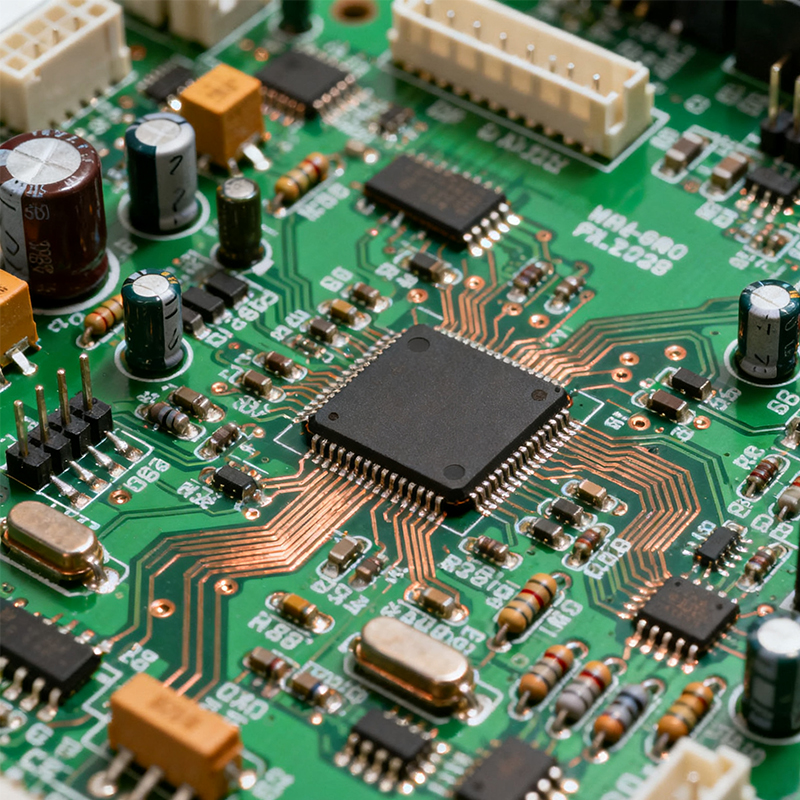
Let's be honest - most circuit boards wouldn't last a week in real industrial environments. The ones that do survive are built completely different. Here's what actually makes industrial PCBAs stand o……
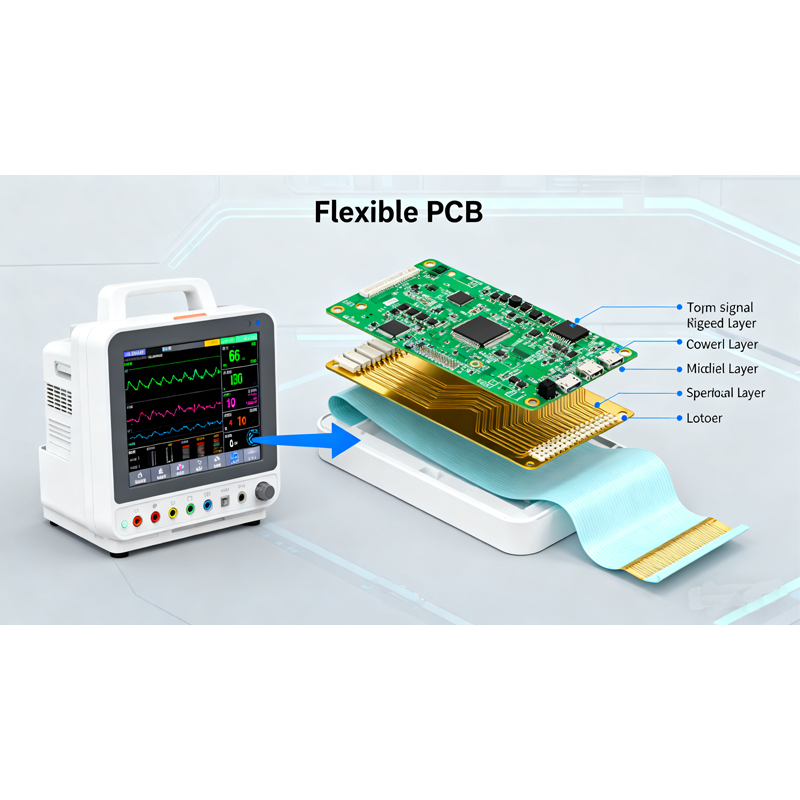
Let's talk about the unsung hero inside modern medical equipment - multilayer flexible PCBs. These aren't your grandpa's rigid circuit boards. They're thin, golden, and can bend like a gymnast while p……
Let's talk about sourcing PCBA. It can feel like a minefield if you're not prepared. The goal is simple: get a great board, on time, and for a fair price, without any nasty surprises. This guide break……
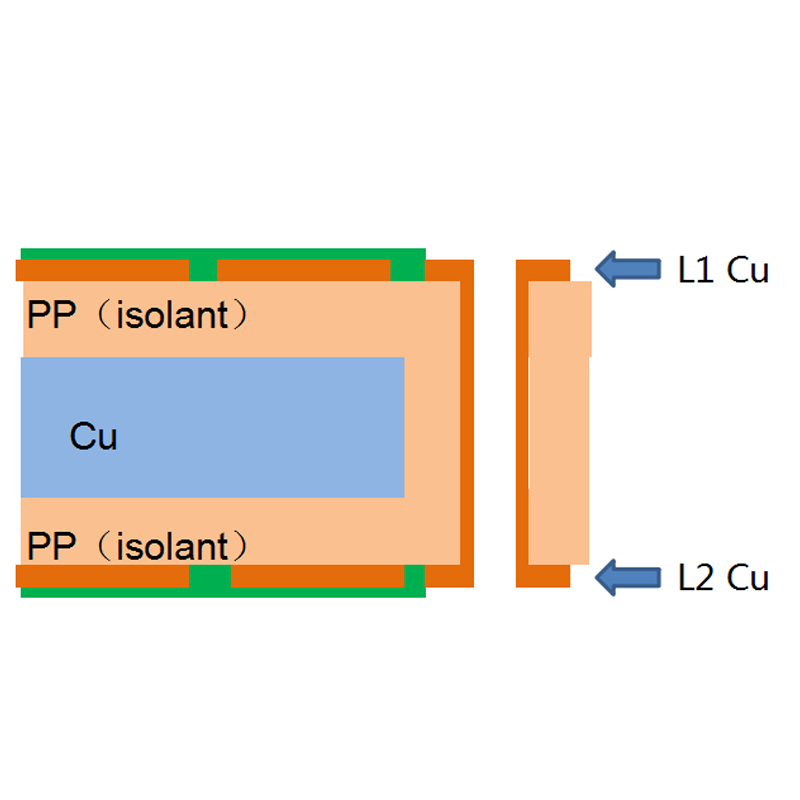
Let me show you where these two-layer flexible circuit boards actually get used in the real world. They're the perfect solution when you need more capability than a simple single-layer board but don't……
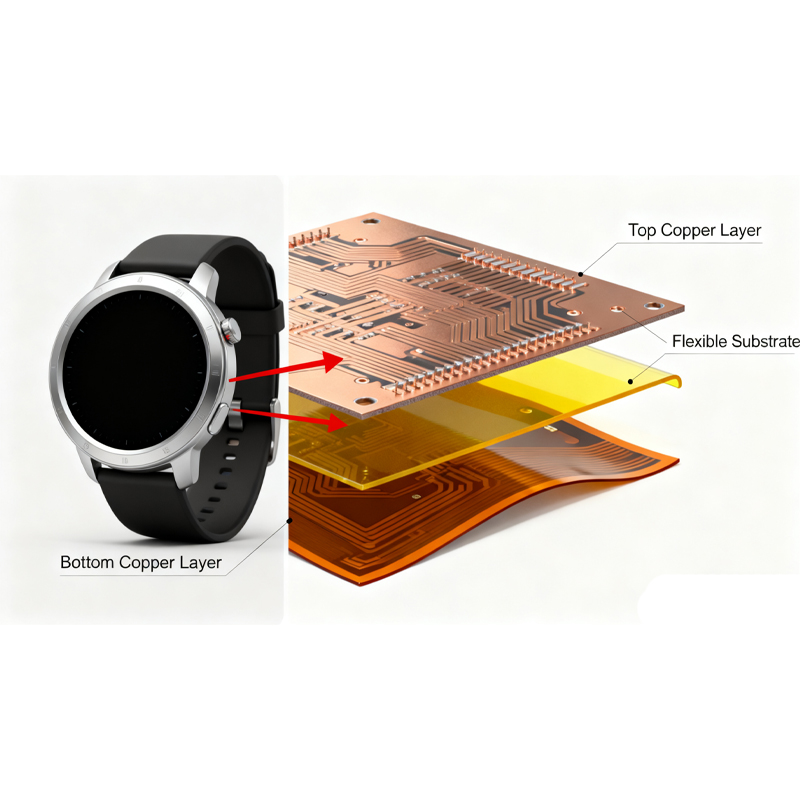
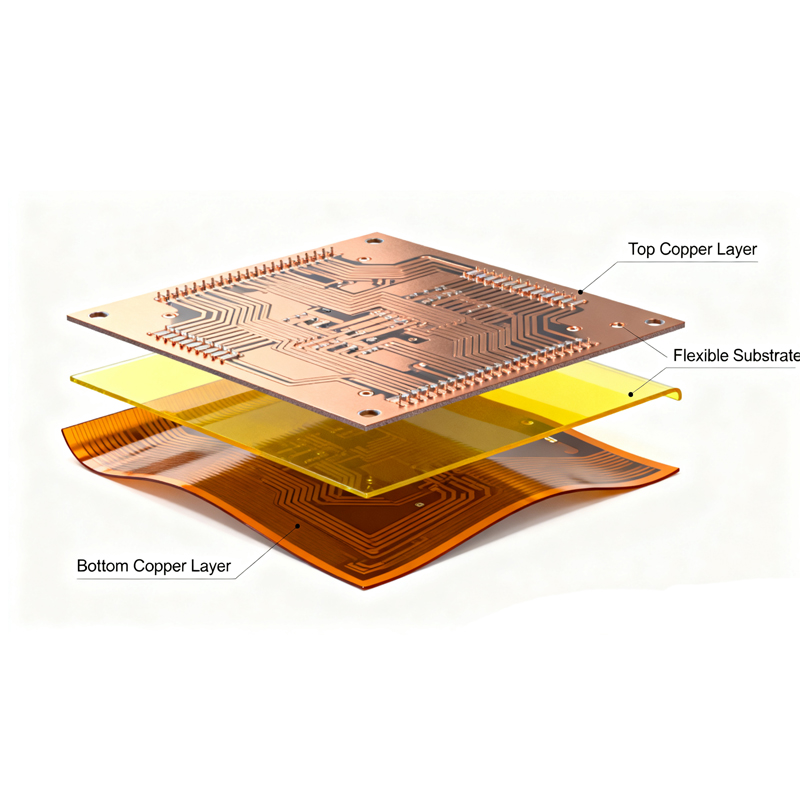
Let me tell you why double-sided flexible PCBs are like the perfect middle child - they've got more going on than their simple single-sided sibling, but they're not as complicated or expensive as thei……
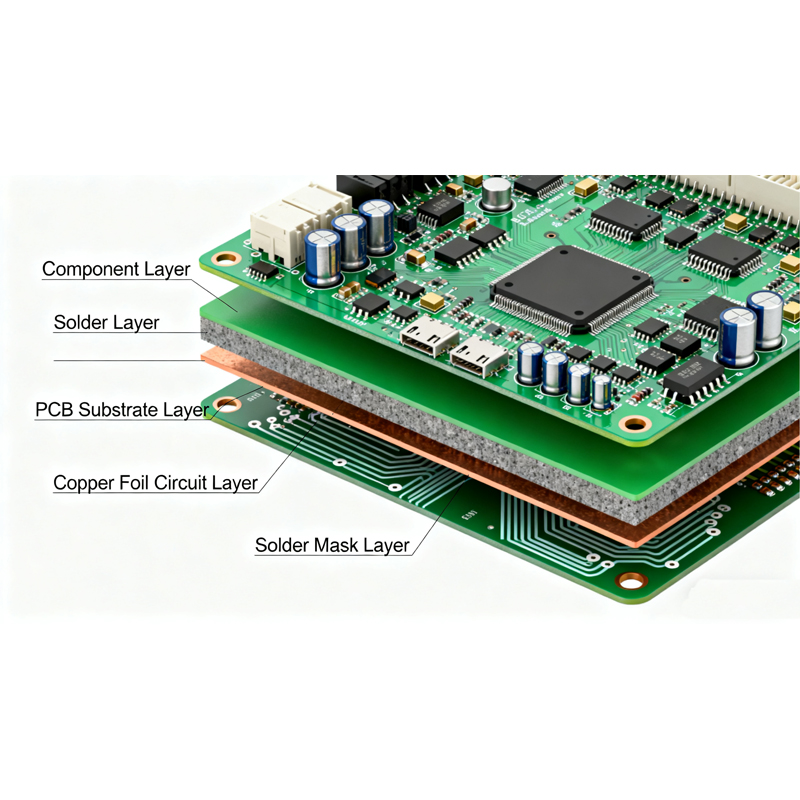
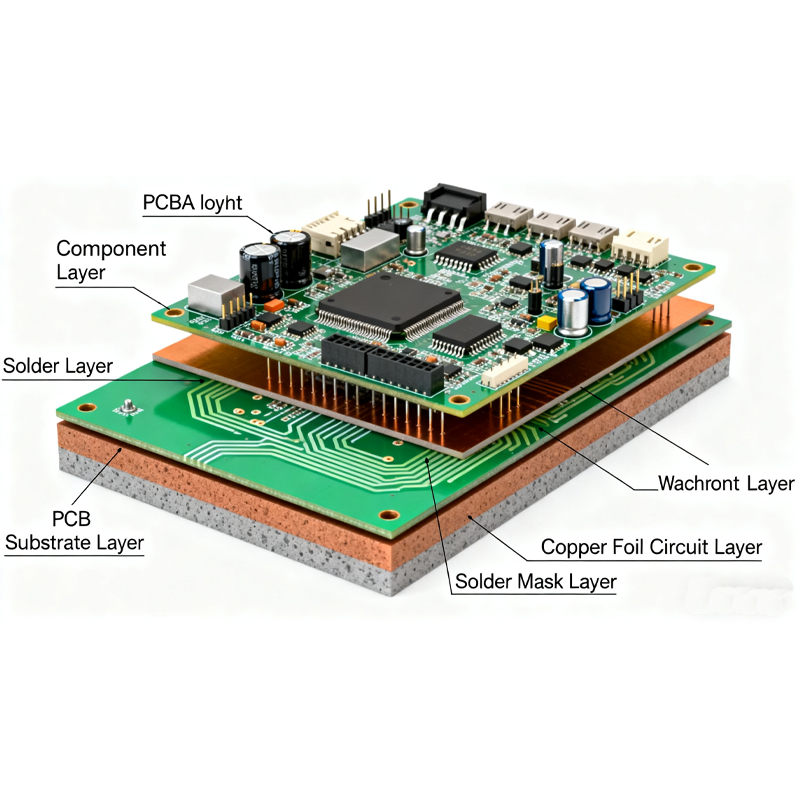
Let me walk you through how we turn a simple circuit board into something that can actually think and respond. It's like watching a skeleton grow organs and come to life. Starting Point: The Bare B……
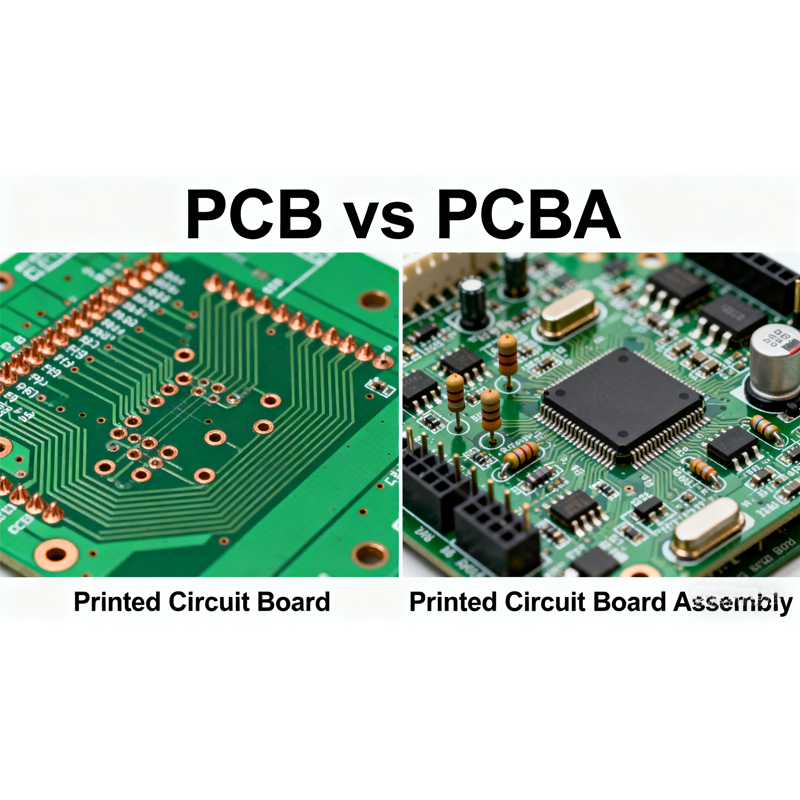
Let me break down why there's such a huge price gap between bare circuit boards and fully assembled ones. I've been in this business long enough to see customers' eyes pop when they get quotes for bot……
Let me break this down in simple terms anyone can understand. That little "A" makes all the difference between something that just sits there and something that actually works. The Basic Difference……



 English



 Wechat
 +86 13670210335
 +86 13670210335
 E-mail