If you've ever designed or sourced circuit boards for commercial products, you know the drill: get the Gerbers right, pick a reasonable lead time, and hope the boards work when they come back. But if ……
If you're designing boards for today's electronics, you've probably noticed things are getting faster. Not just a little faster—a lot faster. We're talking PCIe Gen 5 and 6, DDR5 memory, 112G PAM4, an……
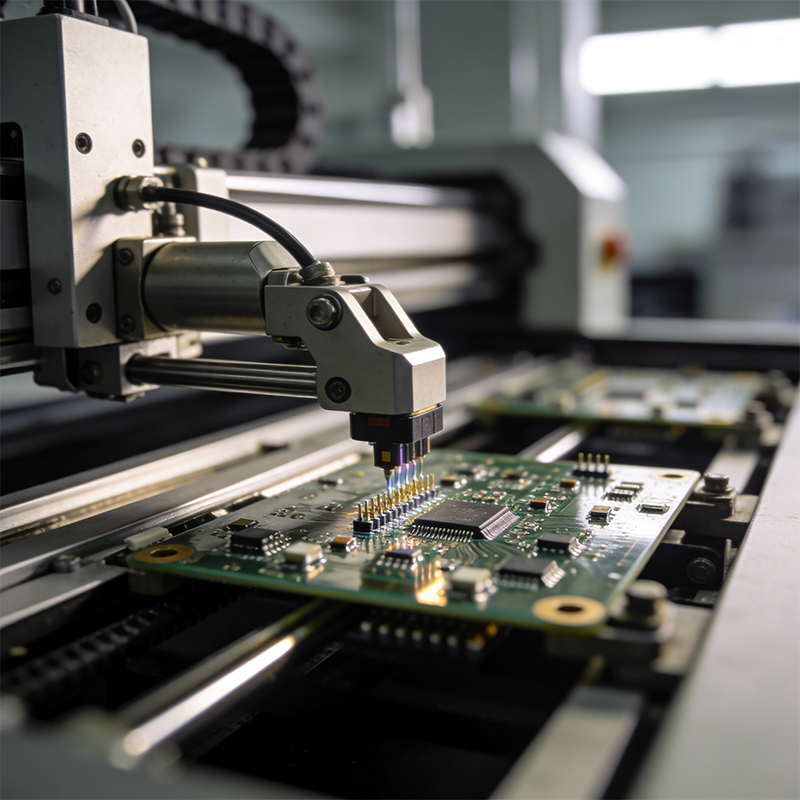
If you're in the business of making electronic products, you've probably seen the termPCB SMTmore times than you can count. But what does it actually mean, and why should you care? Let's break it d……
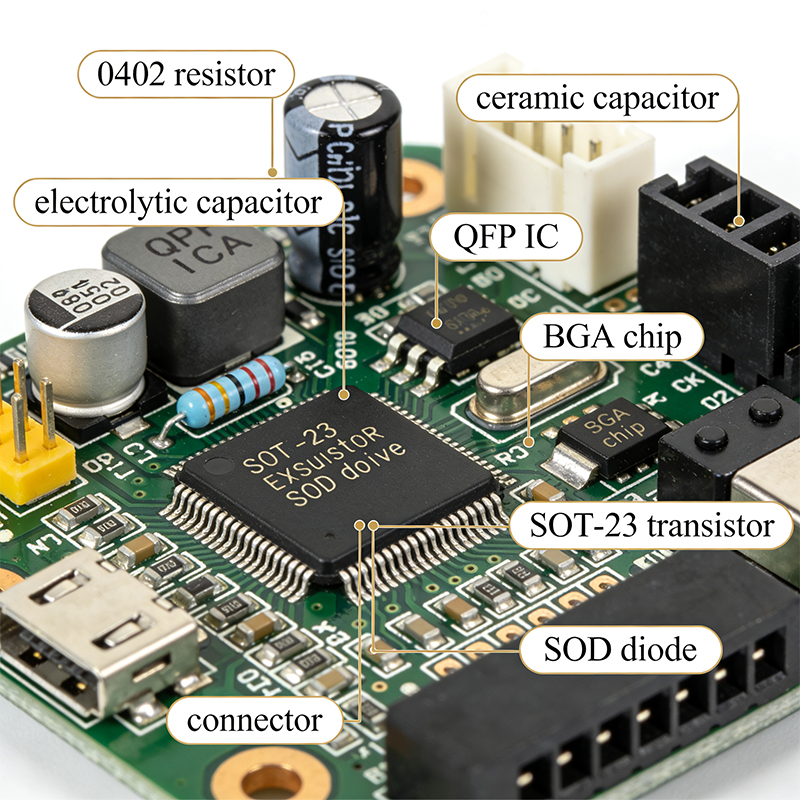
If you've ever held a circuit board and wondered what's actually inside it, you're not alone. That flat green board covered in tiny components and squiggly copper lines is basically the nervous system……
You've designed the board, picked the components, and sent the files off. But have you ever wondered what actually happens next? What goes on inside that factory after you hit "send" on your Gerber fi……
We all know electronics keep getting smaller, faster, and more powerful. But have you ever stopped to think about what actually makes that possible? The smartphone in your pocket has more computing po……
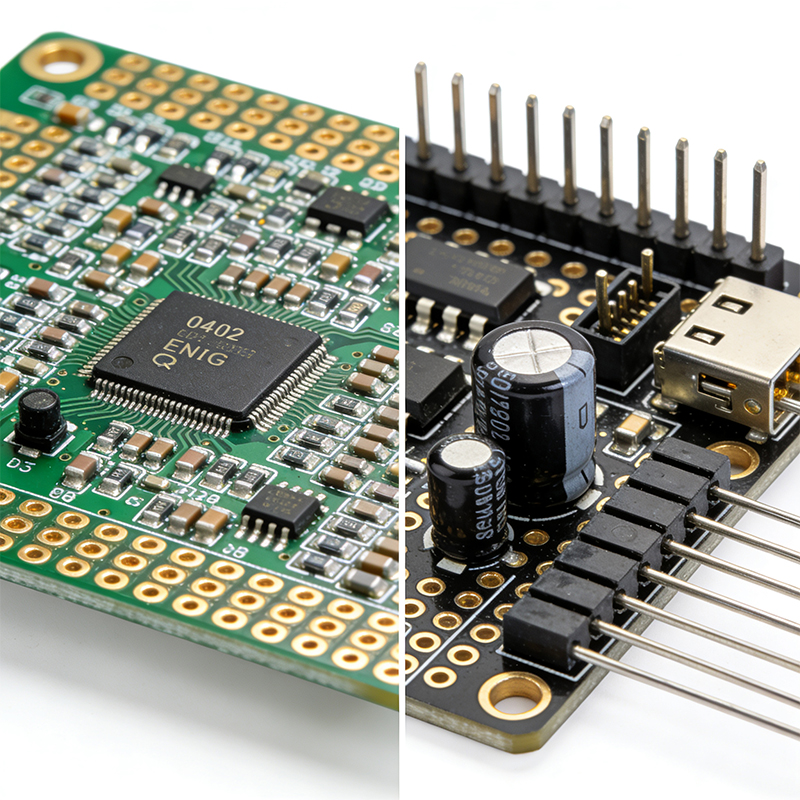
If you've been in electronics manufacturing for any length of time, you've heard these two terms thrown around constantly.SMT vs through hole—it's one of those debates that comes up every time you sta……
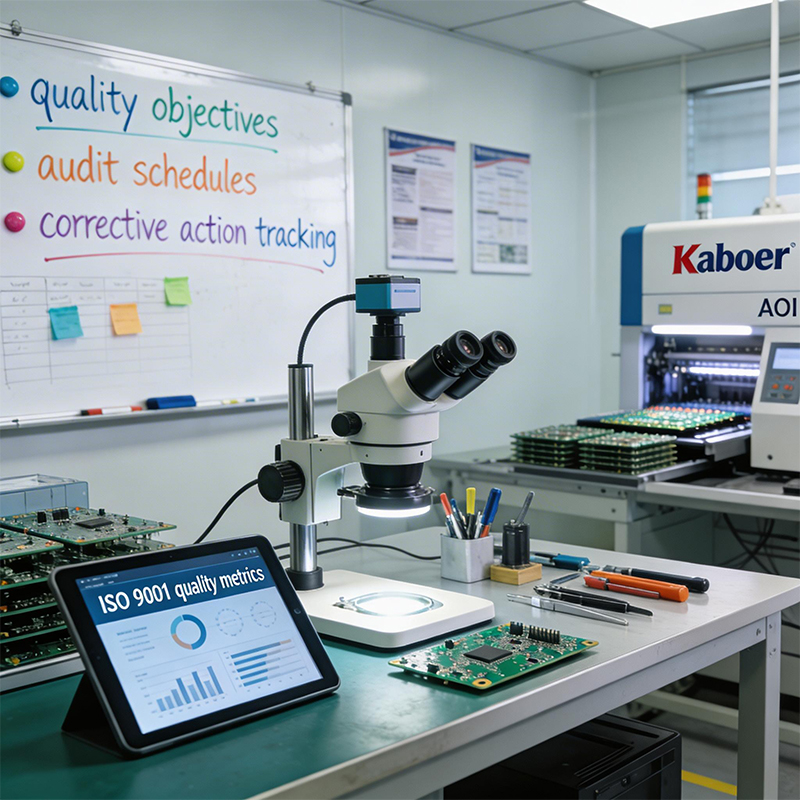
If you're in the business of making electronic products, you've probably heard the termISO 9001 certificationmore times than you can count. Maybe you've even lost a potential client because you didn't……
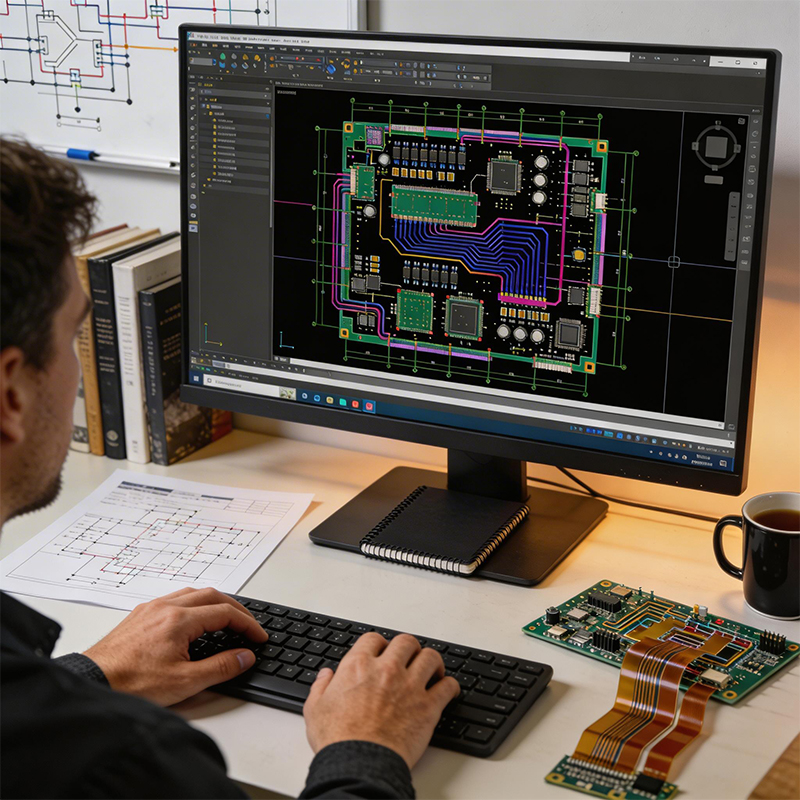
If you're reading this, you probably already know what a PCB is. You've sourced them, specified them, maybe even repaired them. But designing one from scratch? That's a different beast entirely.I reme……
If you've ever opened up an electronic gadget and stared at that green board covered in tiny parts, you've looked at acircuit board device. It's one of those terms people throw around without really d……
You've got a circuit board that works perfectly. It's been designed, fabricated, and assembled. All the components are in place, and it passes every test you throw at it. But here's the thing: a bare ……
You've probably walked through a production floor or looked at a finished circuit board and wondered: who makes sure all this actually runs smoothly? Who figures out why a pick-and-place machine keeps……

.jpg)


 English



 Wechat
 +86 13670210335
 +86 13670210335
 E-mail