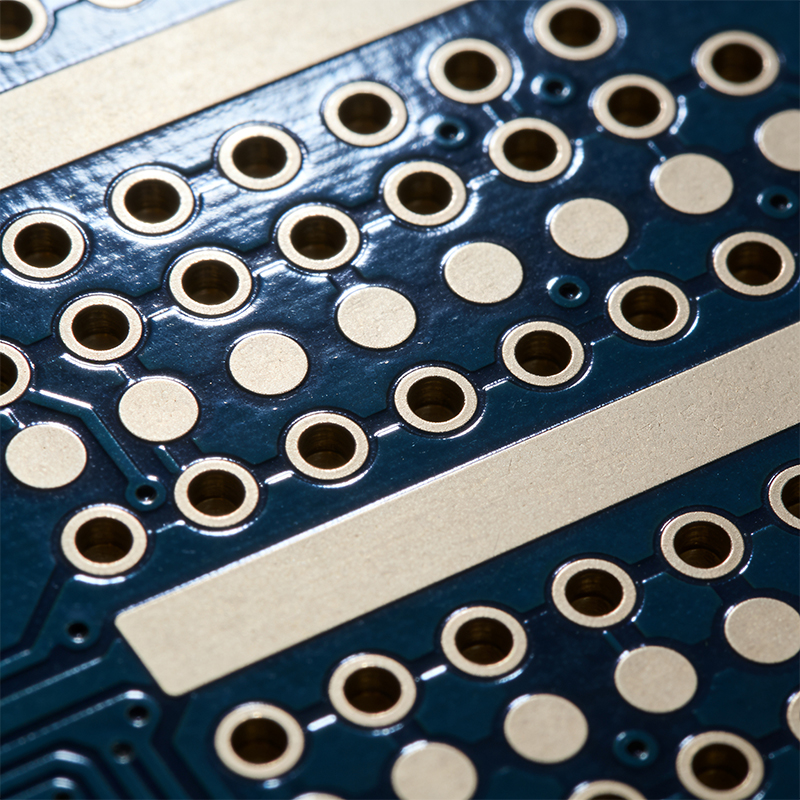
You know that green coating on circuit boards? The stuff that makes them look, well, like circuit boards? That'ssolder resist. Or solder mask. Or solder stop. Three names for the same thing—that thin ……
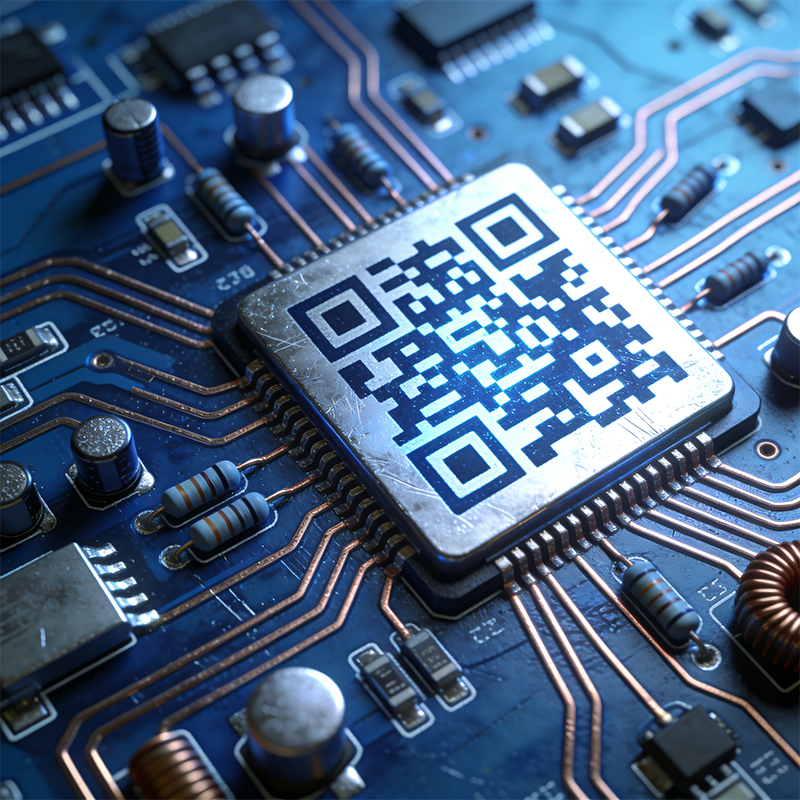
Imagine this: you're holding a finished circuit board, and with a quick scan from your phone, you can see exactly when it was made, what batch of materials went into it, which production line it came ……
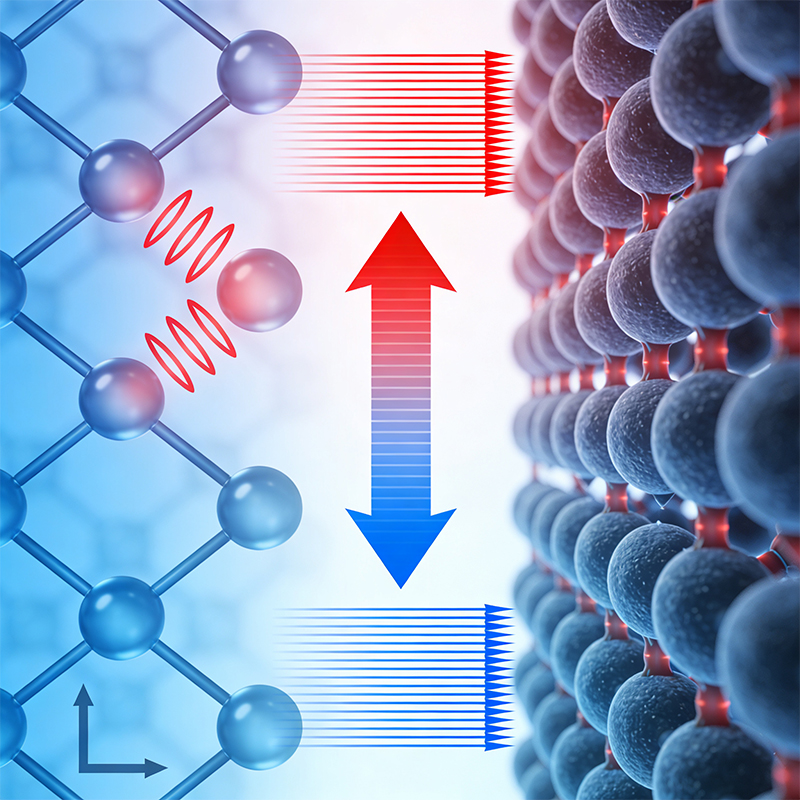
Ever touched a running electronic device and felt how hot it gets? That heat isn't just uncomfortable—it's actually trying to destroy your product. Here's the thing about electronics: they generate……
You know that feeling when you open a new gadget and marvel at how tiny and packed it is? A smartphone thinner than a pencil, yet more powerful than a room-sized computer from decades ago. That's not ……
You've got a great design. Maybe it's for a specialized medical device, a prototype you're about to test, or a product that only needs a few hundred units a year. The question is: how do you get it as……
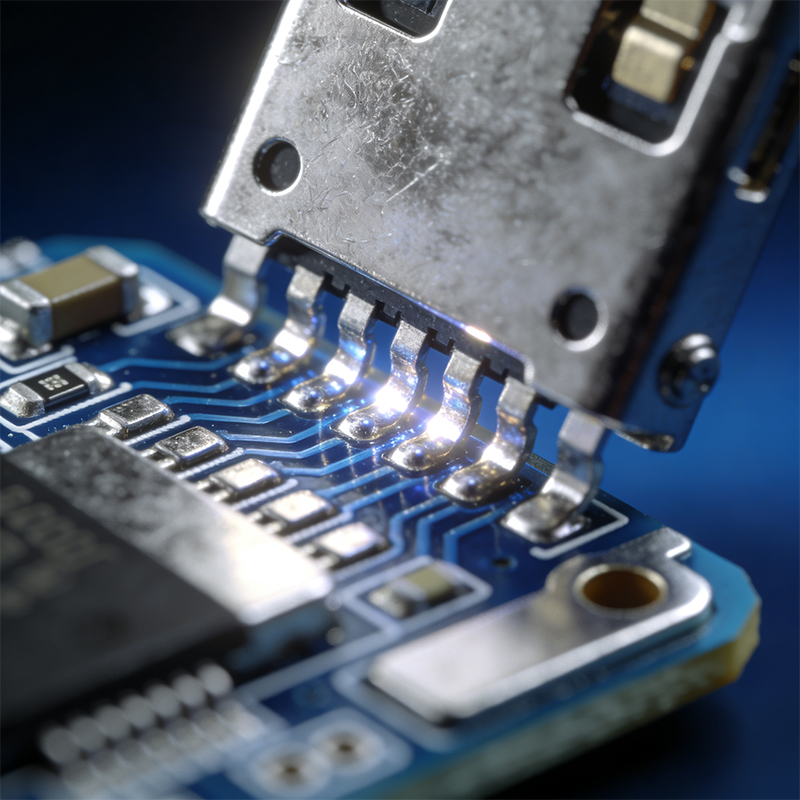
Ever wonder how hundreds of tiny components end up perfectly placed on a circuit board, all soldered at once, without anyone touching them with a soldering iron?That's the magic ofSMT assembly—the tec……
You've got a design. You need boards. Not just any boards—boards that work, boards that last, boards that make your product successful.The difference between a product that thrives and one that strugg……
You hear the term "PCB" all the time. But what does it actually mean?If you're in the business of making electronic products, this is one definition you need to understand—not just as a word, but as t……
You're building electronic products. You need circuit boards. Lots of them. But between all the technical jargon, confusing specifications, and countless suppliers making big promises, how do you sepa……
Ever wondered what makes your smartphone, laptop, or electric vehicle actually work?Hidden inside every electronic device is a quiet hero—thecircuit board. It's the foundation that holds everything to……
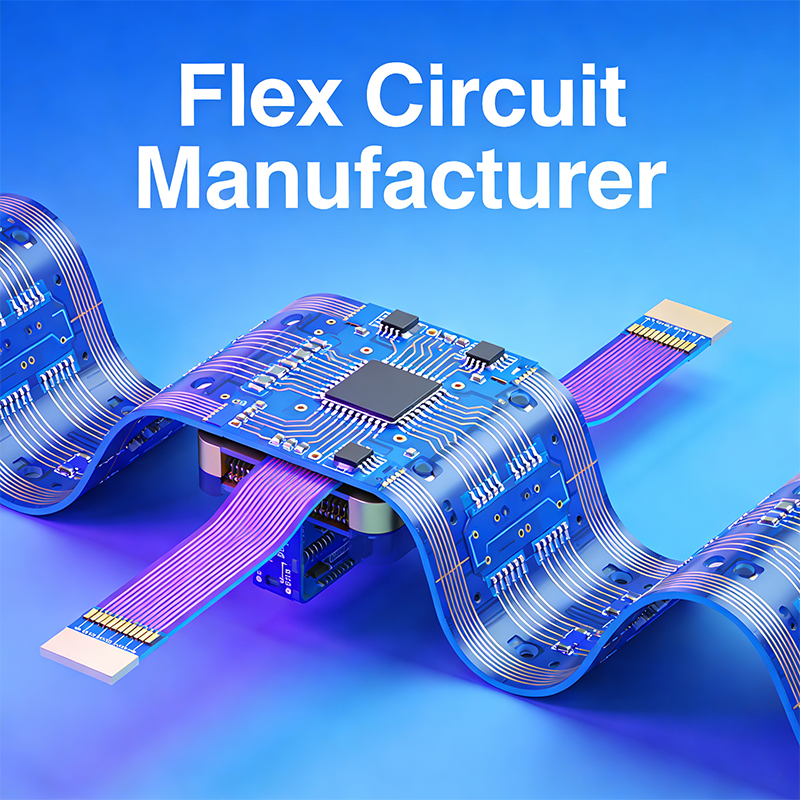
Ever wondered how your smartwatch bends with your wrist, or how a laptop's display connects to its motherboard through a hinge that opens and closes thousands of times?The answer is flexible circuits—……
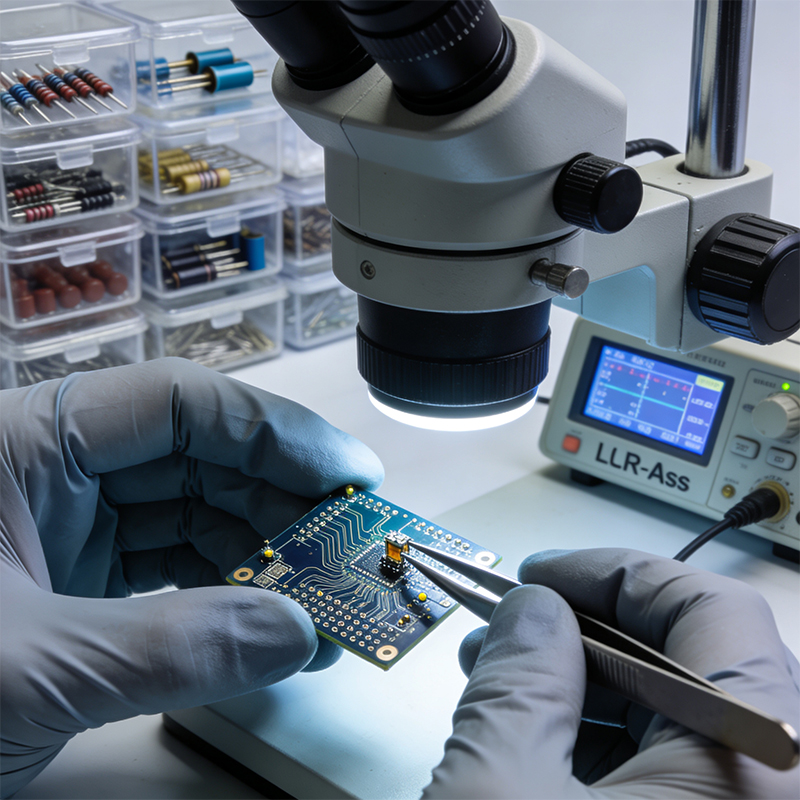
Ever picked up a resistor and wondered what its value is?You're not alone. Resistors come in all shapes and sizes, and they don't have numbers printed on them like other components. Instead, they use ……

.jpg)
.jpg)

.jpg)
.jpg)
.jpg)


 English



 Wechat
 +86 13670210335
 +86 13670210335
 E-mail