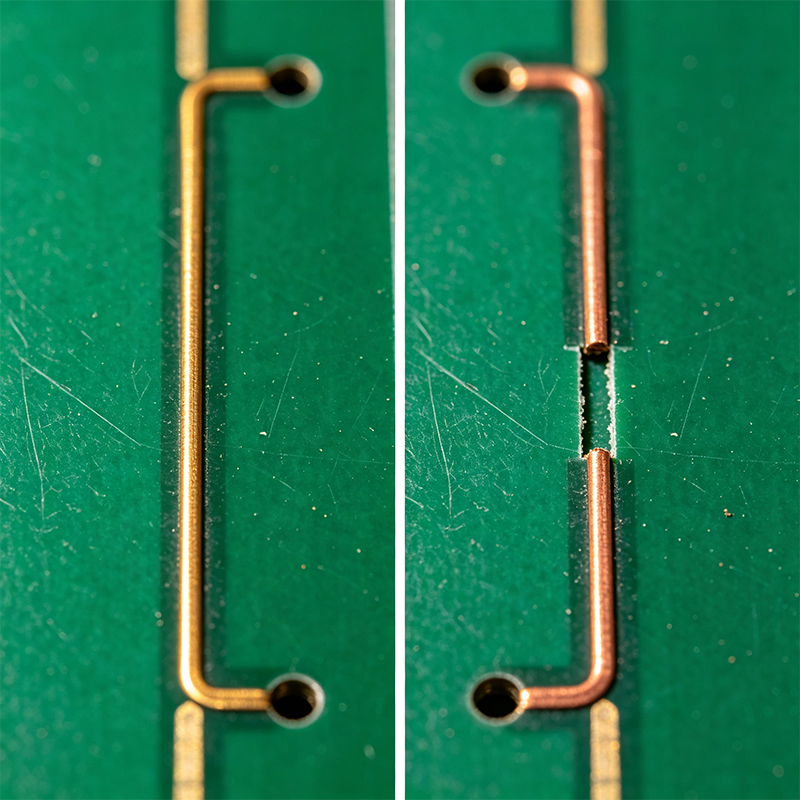
You've definitely had this happen. You flip a switch and nothing happens. You plug something in and it doesn't work. A circuit board you just soldered sits there dead. Someone says "maybe it's an open……
You've definitely seen holes on a circuit board. Some have a shiny copper ring around them. Some are just bare holes. Some are big, some are tiny. Some hold component leads, some just connect traces b……
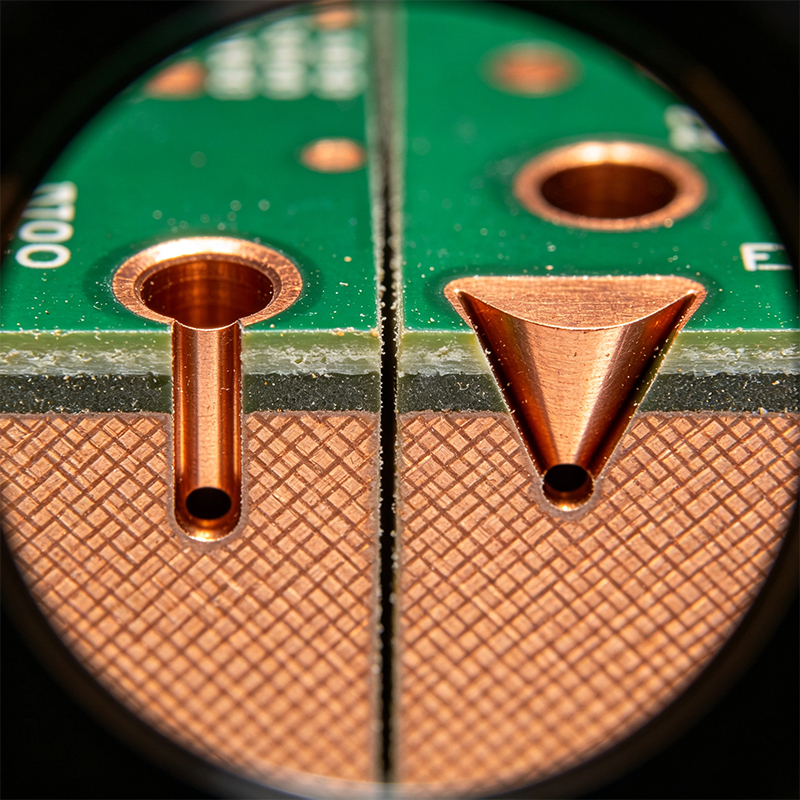
You've seen it before. A screw head sitting perfectly flush with the surface, smooth to the touch. Or a screw head completely hidden inside a round pit with a flat bottom. These two look similar, but ……
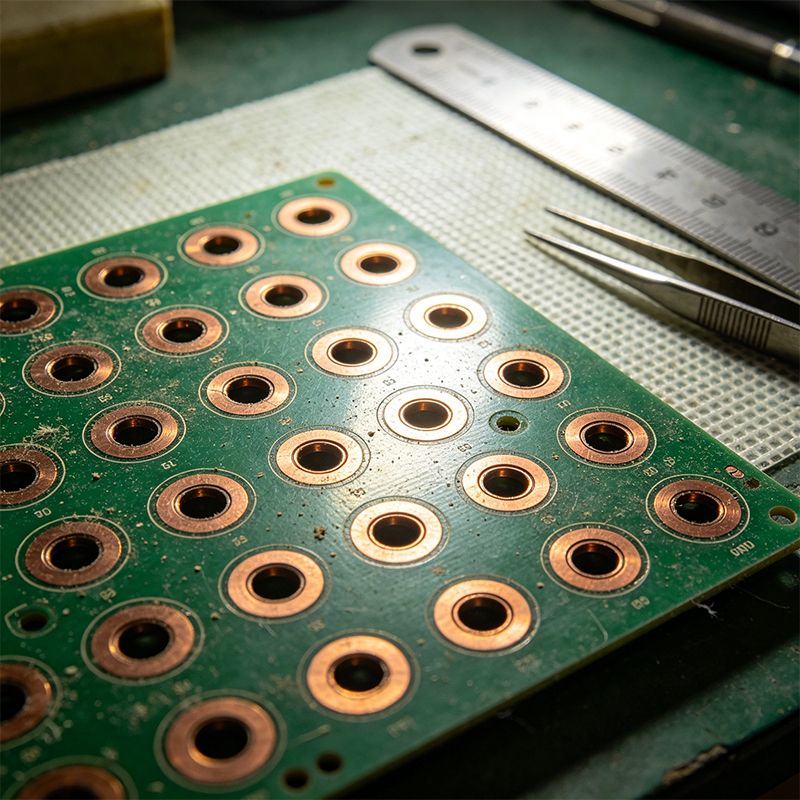
You've definitely seen them. Those little holes on a circuit board surrounded by a ring of copper. That copper ring has a specific name in PCB design: theannular ring.It's not a complicated structure ……
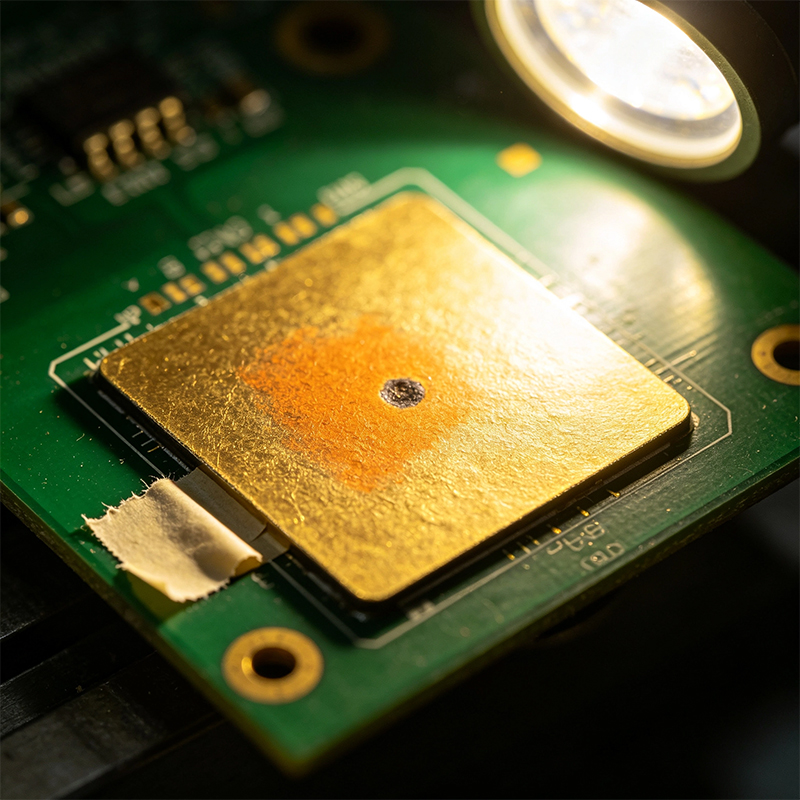
You've definitely seen them. Circuit boards with shiny gold pads. They look more premium than the silver-gray ones, feel smoother to the touch. A lot of people see gold and think "expensive" — and the……
You get a circuit board and notice the pads have a silver‑gray coating on them. It looks a little uneven, maybe even bumpy. You probably didn't think much about it. But that coating determines how wel……
You’ve definitely seen one before. That big green board inside your computer. The dense board inside your phone when you open it up. Even inside a child‘s toy — there’s one in there too. That‘s aPCB.W……
You've definitely seen a circuit board before. Green, stiff, covered in copper traces and solder points. But have you ever thought about what the board itself is actually made of? Why are some boards ……
You see the words “red iron oxide” and your first thought is probably — isn’t that just rust? Chemically speaking, it’sferric oxide (Fe₂O₃), and yes, it’s essentially the same stuff as rust. But you’d……
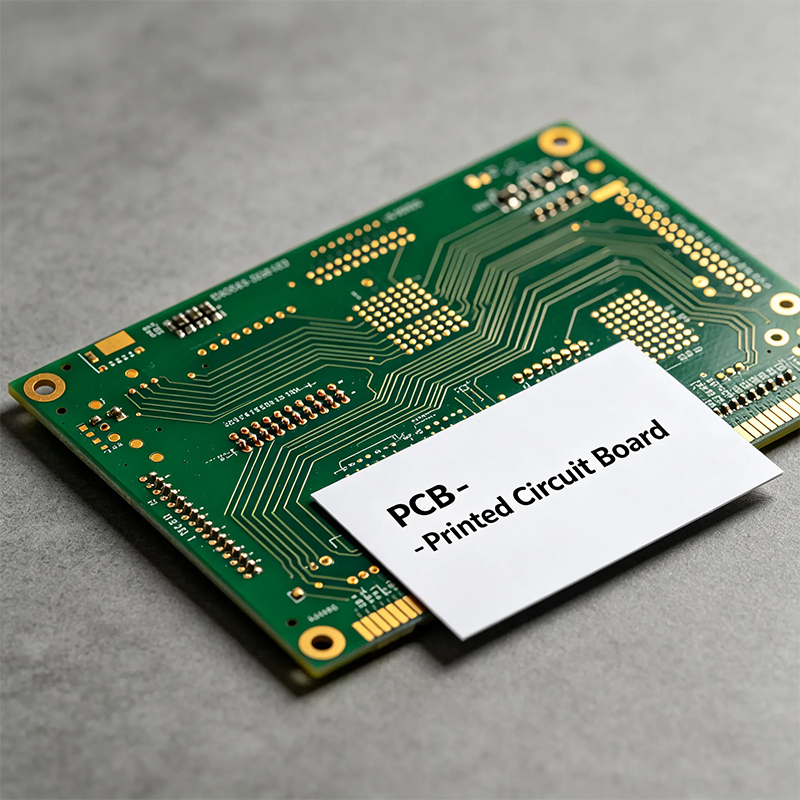
You’ve definitely seen them. Green boards with lots of tiny silver lines and dots. Inside your computer, phone, TV, even a toy. That’s aPCB. But do you know what the three letters PCB stand for? They ……
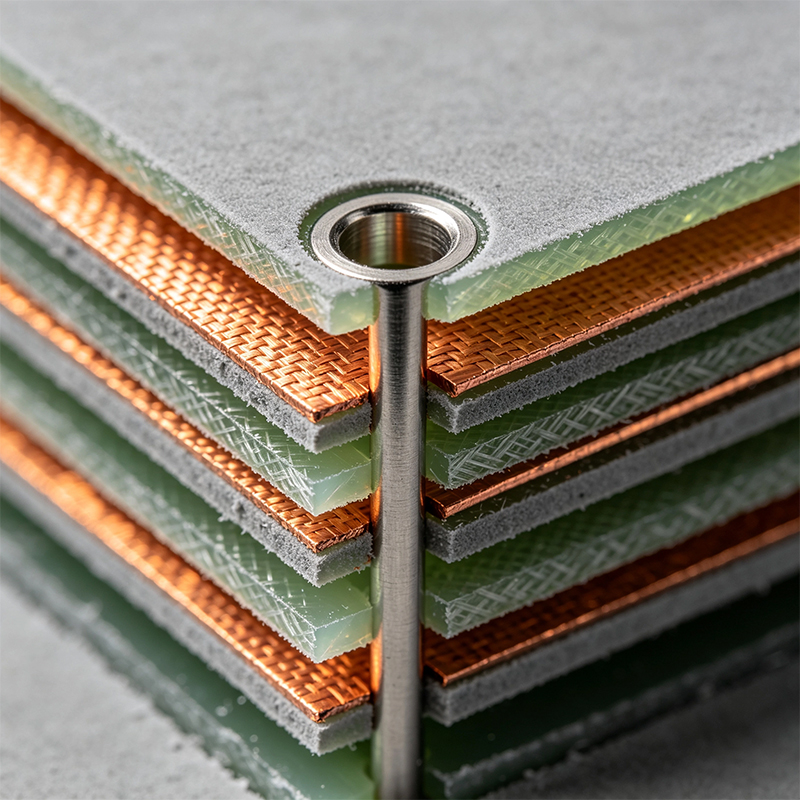
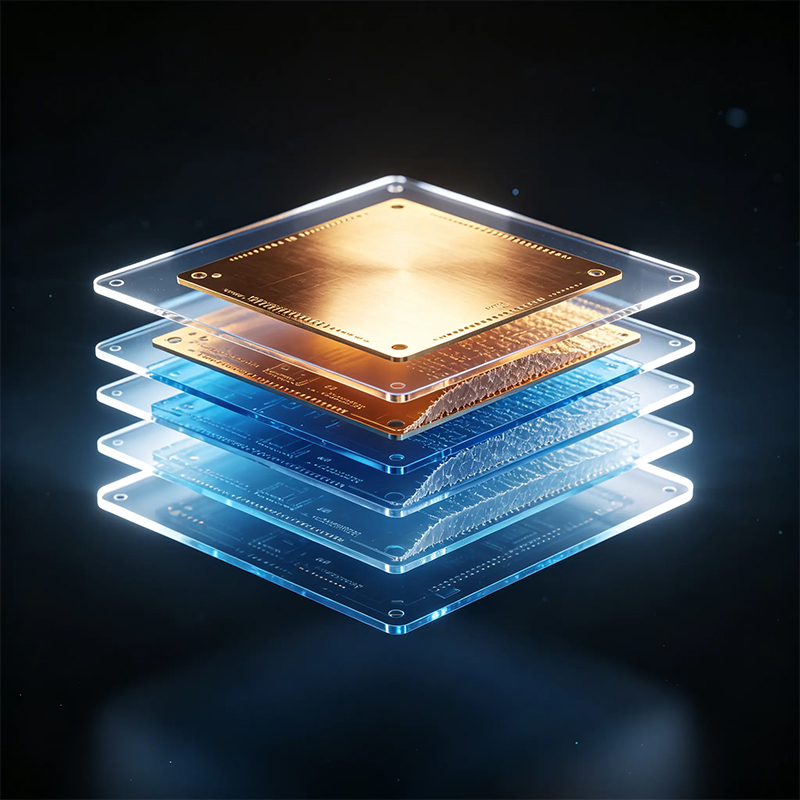
You’re an electronics engineer. You’ve designed 2‑layer and 4‑layer boards before. Now your product is getting more complex. Signal speeds are higher. EMI is becoming a headache. You hear people say: ……
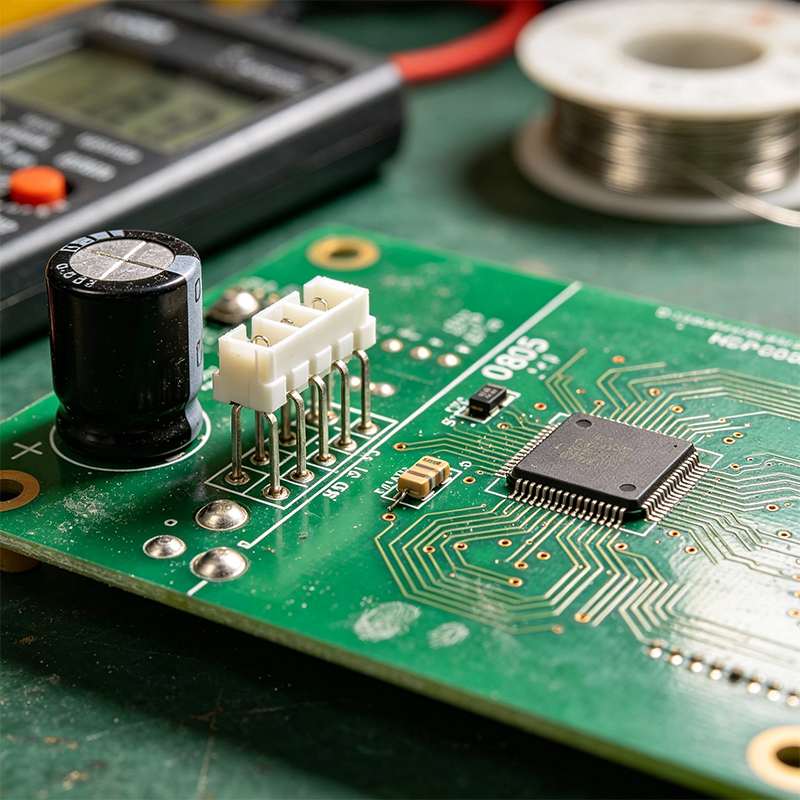
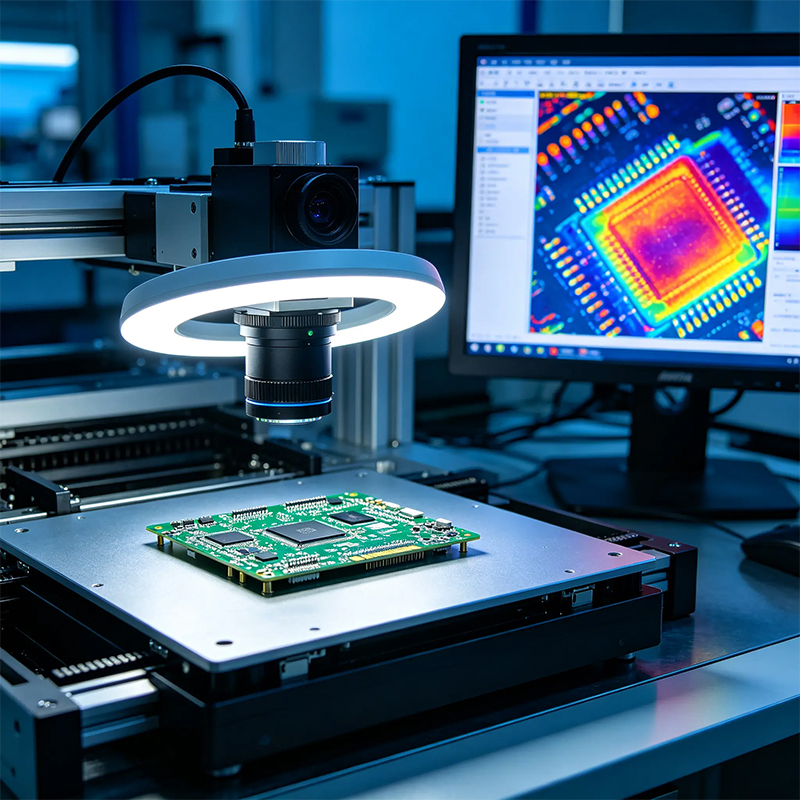
You’re an electronics manufacturer. You’ve designed your schematic, picked your components, and received your bare PCBs. But those bare boards don’t do anything yet. You need to solder all the compone……



 English



 Wechat
 +86 13670210335
 +86 13670210335
 E-mail