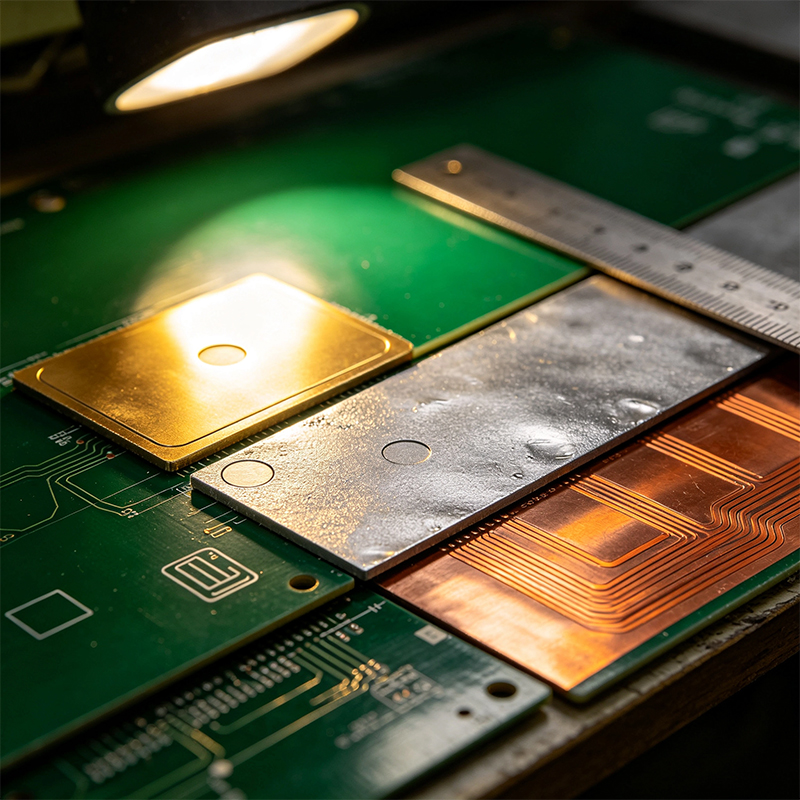
You've definitely seen a circuit board before. Green, stiff, covered in copper traces and solder points. But have you ever wondered: what is the board itself actually made of? Why are some boards gree……
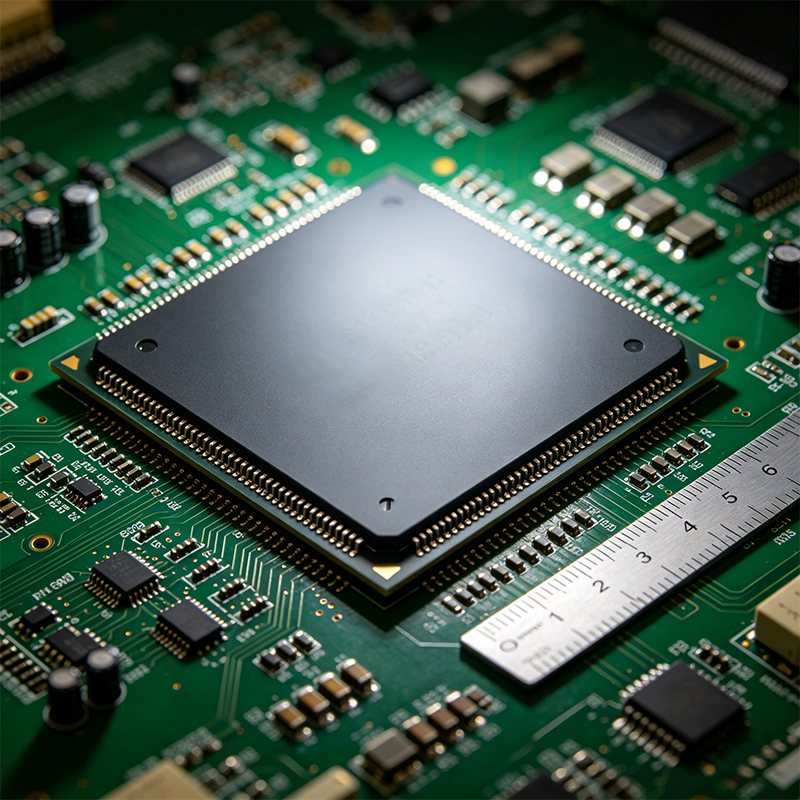
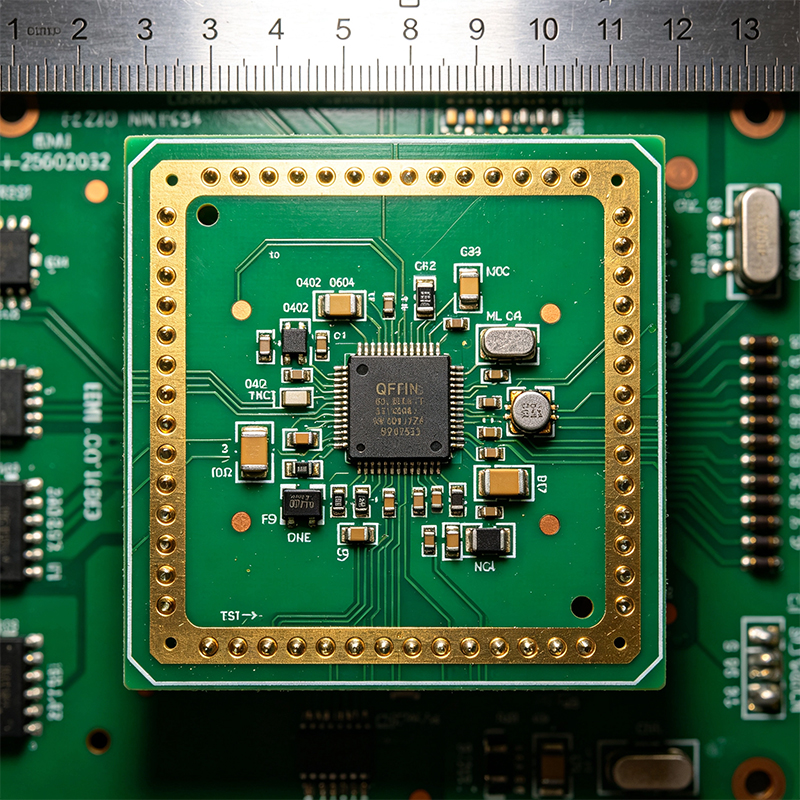
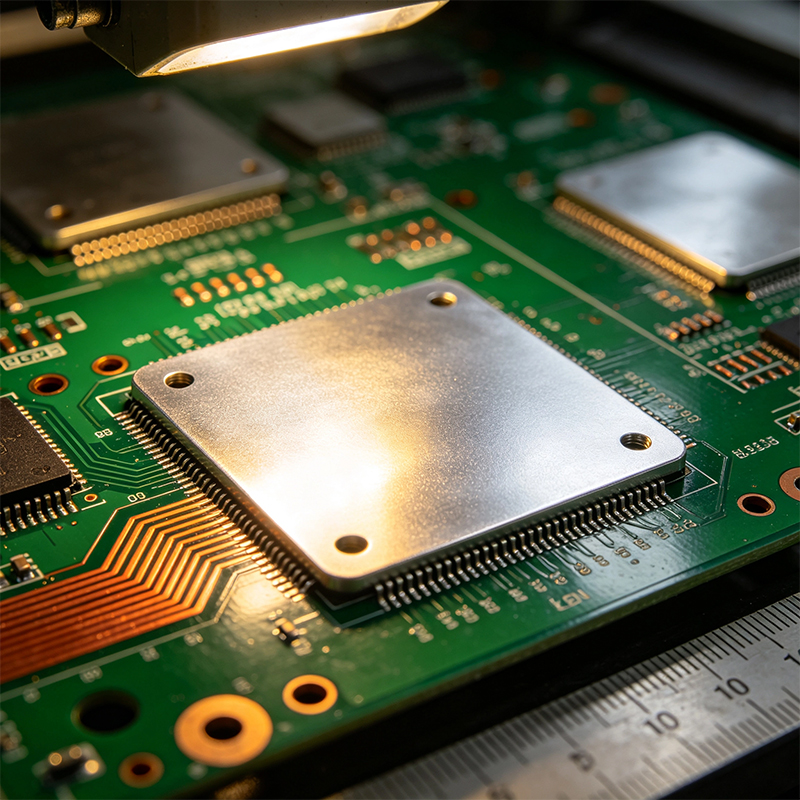
You've definitely seen a computer CPU before — a square chip with a model number printed on top. But you might not know that some "chips" that look like a single piece of silicon are actuallymultiple ……
You've definitely experienced it before. A phone placed too close to a speaker, and the speaker starts buzzing. Or a charger plugged in, and your wireless mouse starts acting up. These are all signs o……
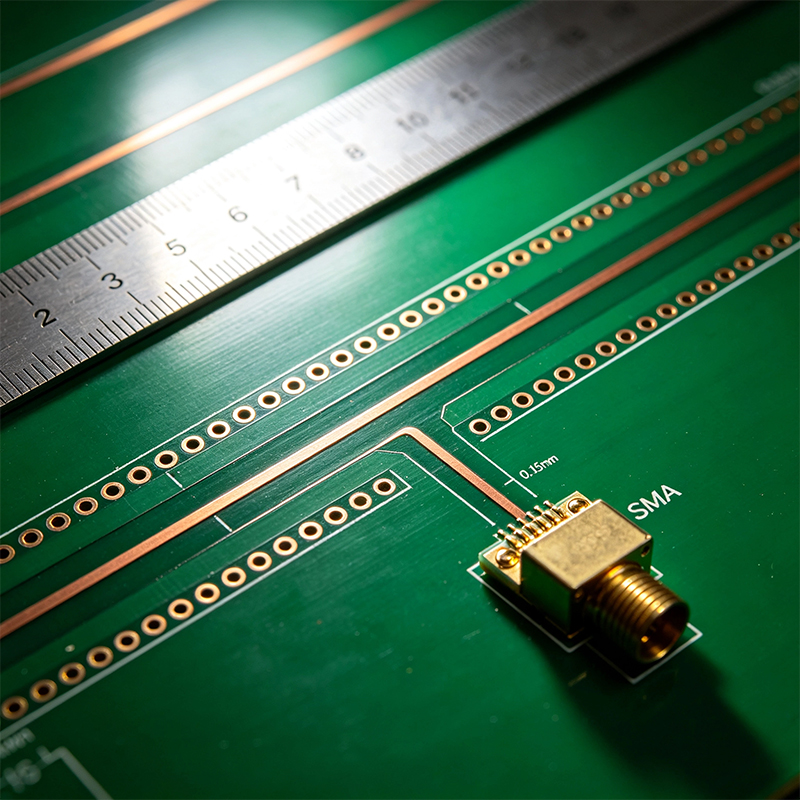
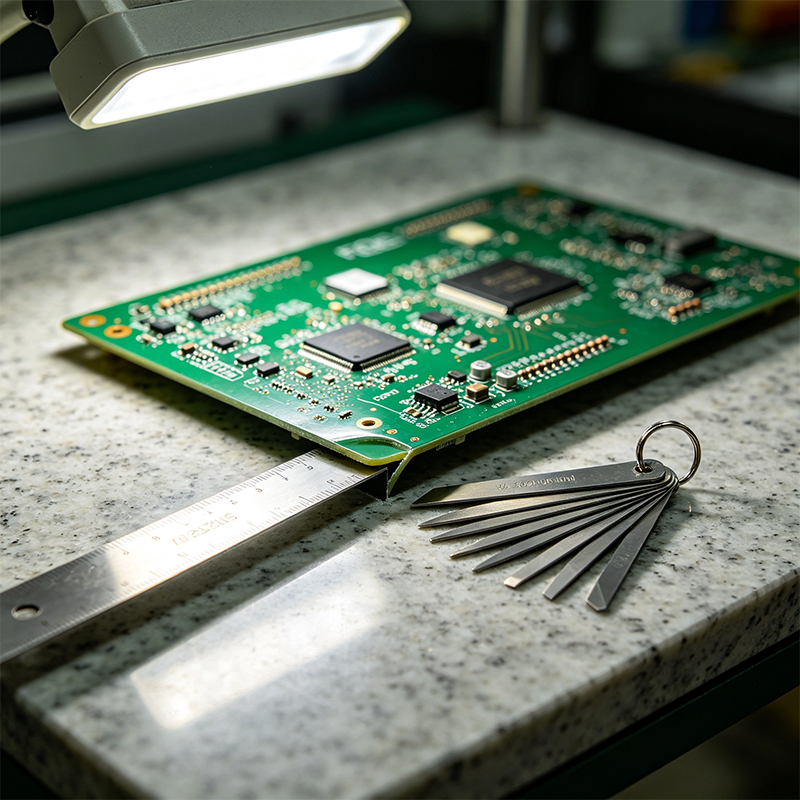
You've designed a circuit board. Schematic checked. Layout polished. Every test passed. But when you run high-speed signals — USB won't connect, HDMI flickers, DDR memory throws errors — the system is……
If you’ve ever looked at a shiny metal part on a car, a connector inside your phone, or the gold pads on a circuit board, chances are there’s a thin layer of nickel underneath doing the heavy lifting.……
You've definitely seen a circuit board before. That green board covered in densely packed silver or gold lines — some thin as hair, some a bit wider, snaking their way from chips to resistors to capac……
You've definitely seen them before. Those small cylindrical components with colorful stripes on circuit boards—brown, beige, rings of color like a rainbow candy. They're everywhere, packed tightly on ……
You've definitely seen it in factory videos. A circuit board placed under bright lights, with an inspector holding a magnifying glass and examining every inch of it like a detective looking for clues.……
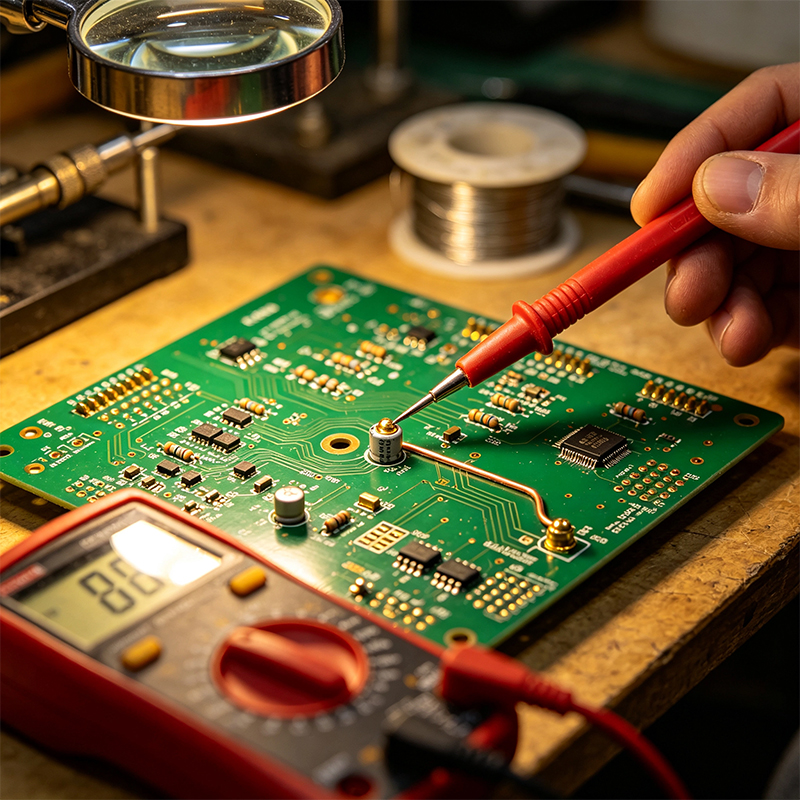
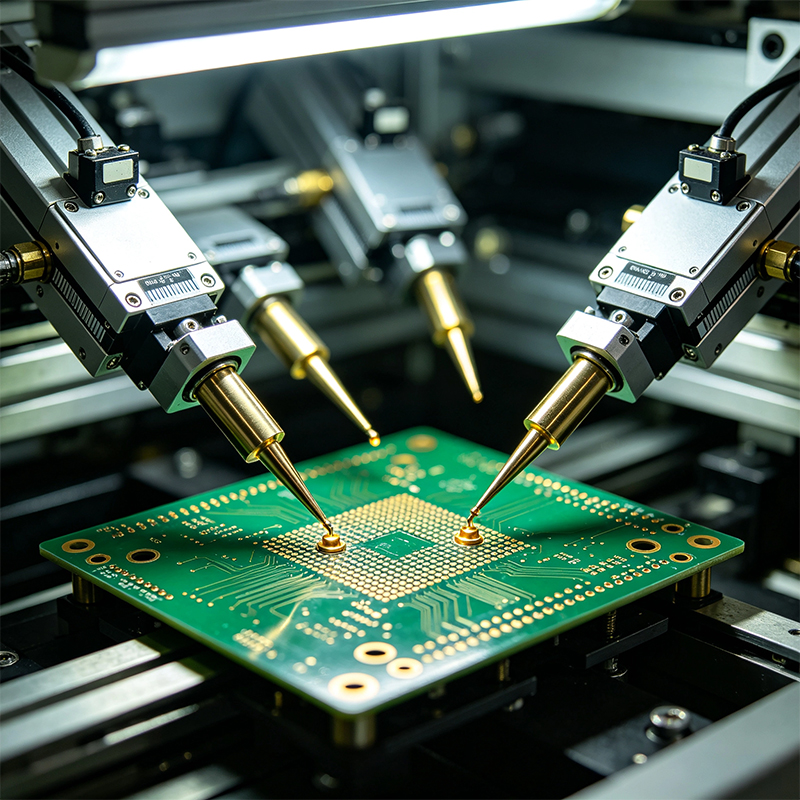
You've definitely seen it in factory videos. A machine with several thin metal needles rapidly tapping on a circuit board, making a "tick tick tick" sound — like acupuncture for electronics. The probe……
You're designing a new electronic product. Maybe a smartwatch, an industrial sensor, or a tiny device that can wirelessly charge your phone. You've drawn the schematic, run countless simulations on yo……
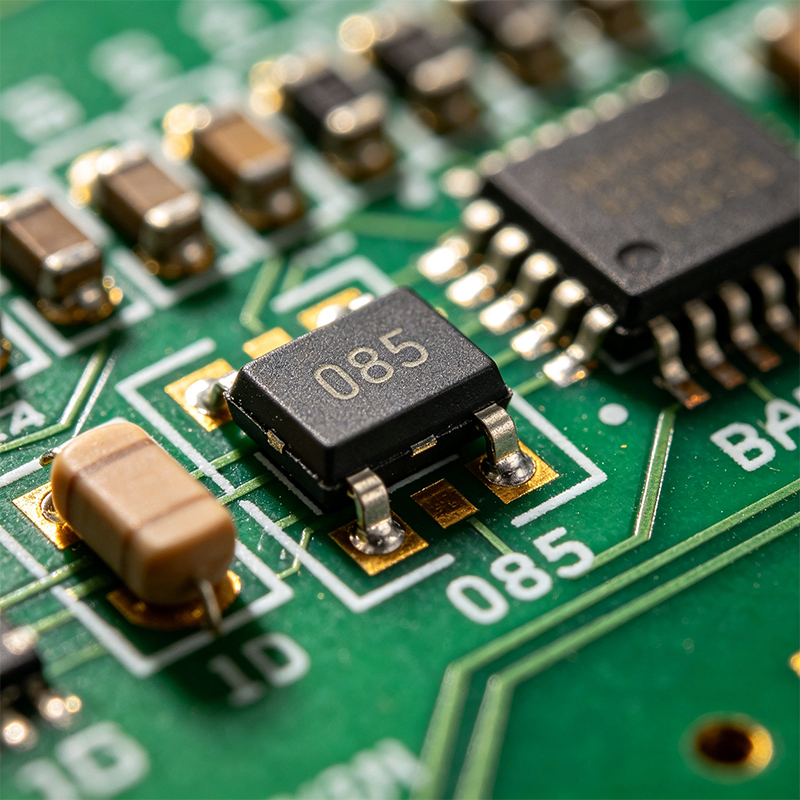
You've definitely seen one before. A small silver metal can on a circuit board, or a tiny rectangular surface-mount package. It doesn't glow, doesn't heat up, and looks completely unremarkable. But it……
You know that wall outlets supply AC power, while your phone charger, computer, and LED lights need DC power. How does AC get turned into DC? That's the job of arectifier circuit.Rectifier circuits ar……


 English



 Wechat
 +86 13670210335
 +86 13670210335
 E-mail