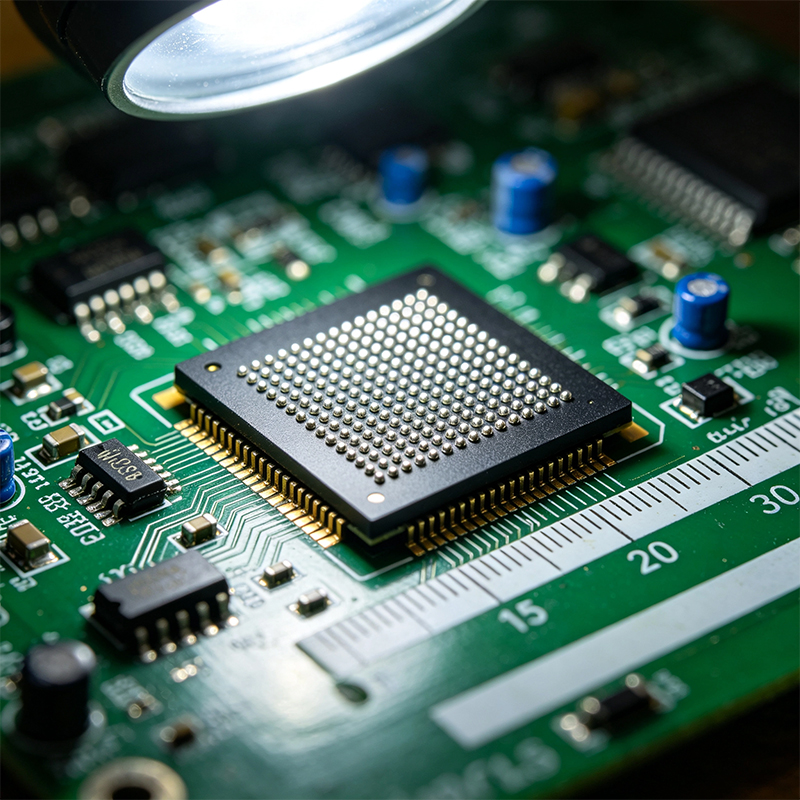
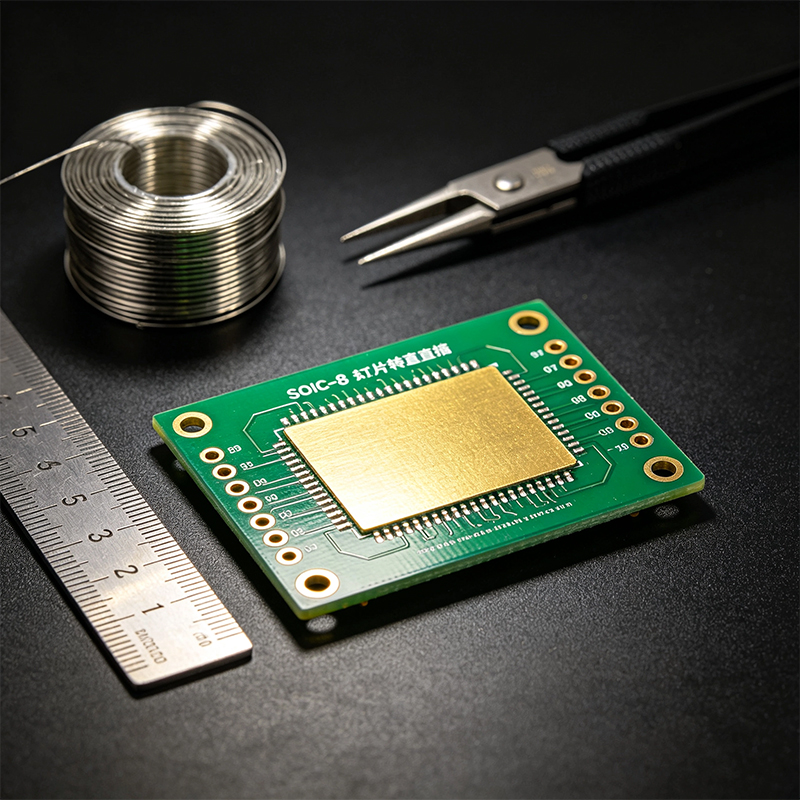
You know how chips are made — hundreds of them are etched onto a silicon wafer, then cut into individual black squares and sent to a packaging factory to get "dressed." But what if you couldput the "c……
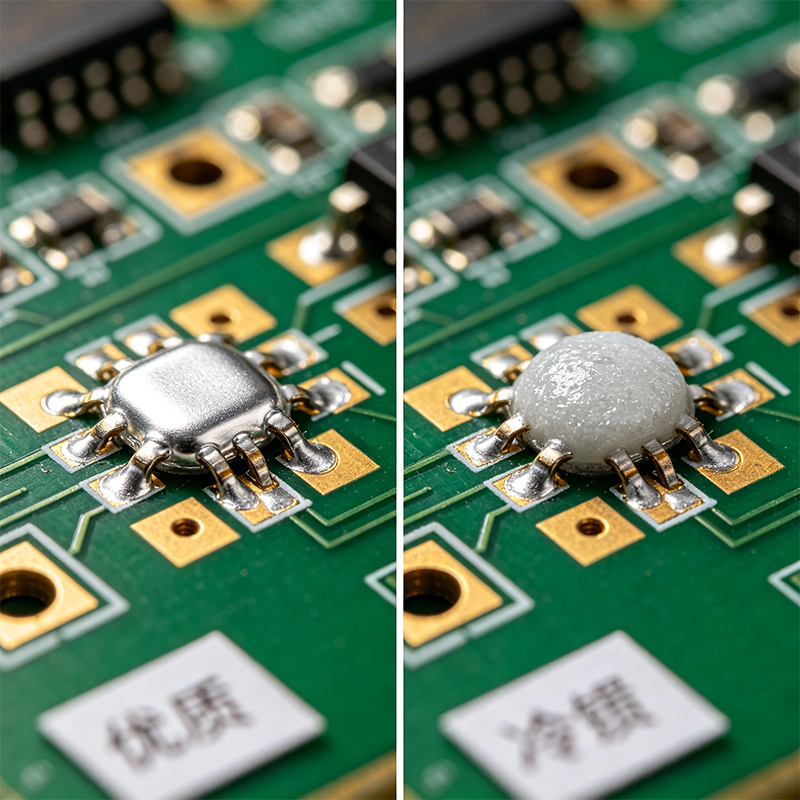
You've definitely had this happen. A circuit board passes every test. It works perfectly. You ship it to your customer. A few weeks later, it fails. You get it back and check — all the joints look per……
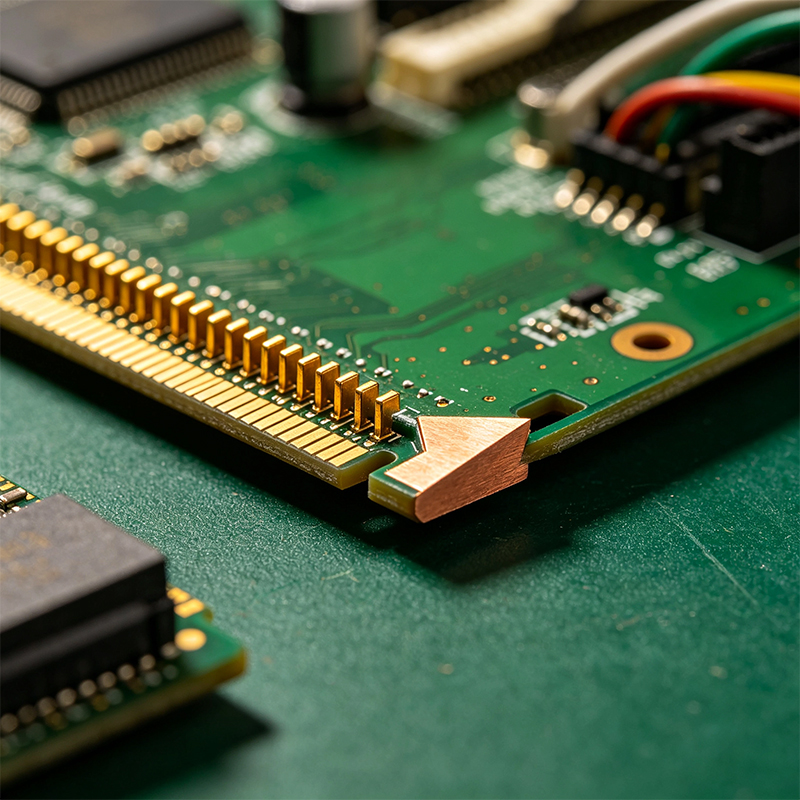
You've definitely seen them before. Those shiny gold contacts along the edge of a RAM stick or graphics card. You slide the card into a slot on the motherboard, and your computer recognizes the new ha……
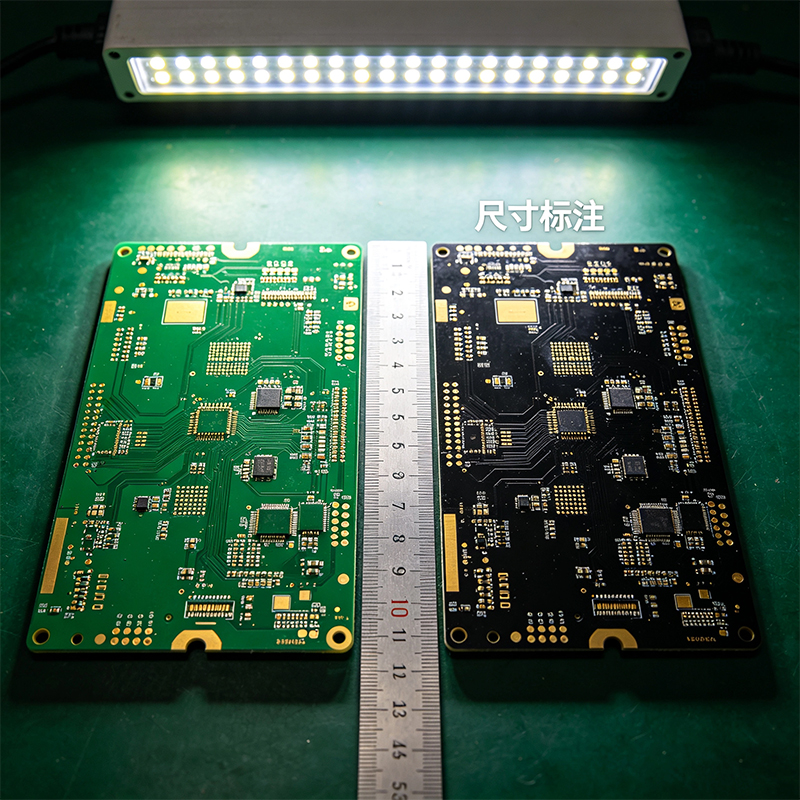
You've definitely seen a circuit board before. Green, covered in shiny silver solder joints and gold traces. But have you ever wondered: why are circuit boards green? What is that green stuff? What do……
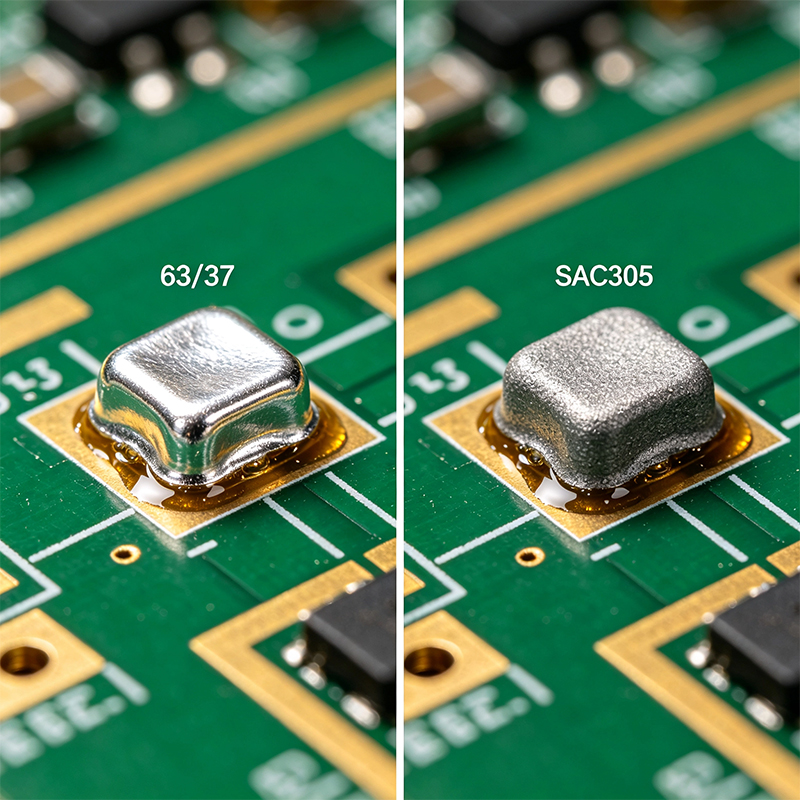
You've definitely seen solder before — that silver wire on a spool, or those shiny little bumps on a circuit board. Whether it's hand soldering or automated assembly, solder is one of the most basic a……
You're designing a high-end electronic product. Maybe a drone flight controller, a medical endoscope, a foldable phone, or an automotive sensor. A pure flexible board isn't strong enough. A rigid boar……
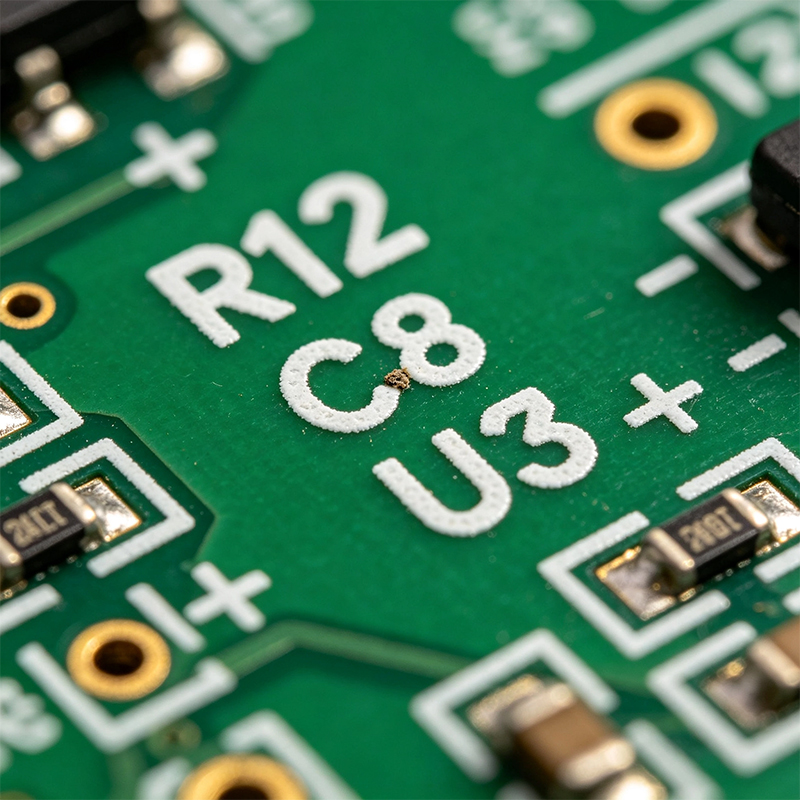
You've definitely seen them. Those white letters, boxes, and symbols on a green circuit board. "R1," "C2," little plus signs, company logos. These white markings are called thePCB silkscreen layer[6†L……
You’ve definitely seen it. On the wall of a PCB factory. On a quality report. On a supplier’s certificate. The letters “J-STD-001.” You might know it has something to do with soldering. But what actua……
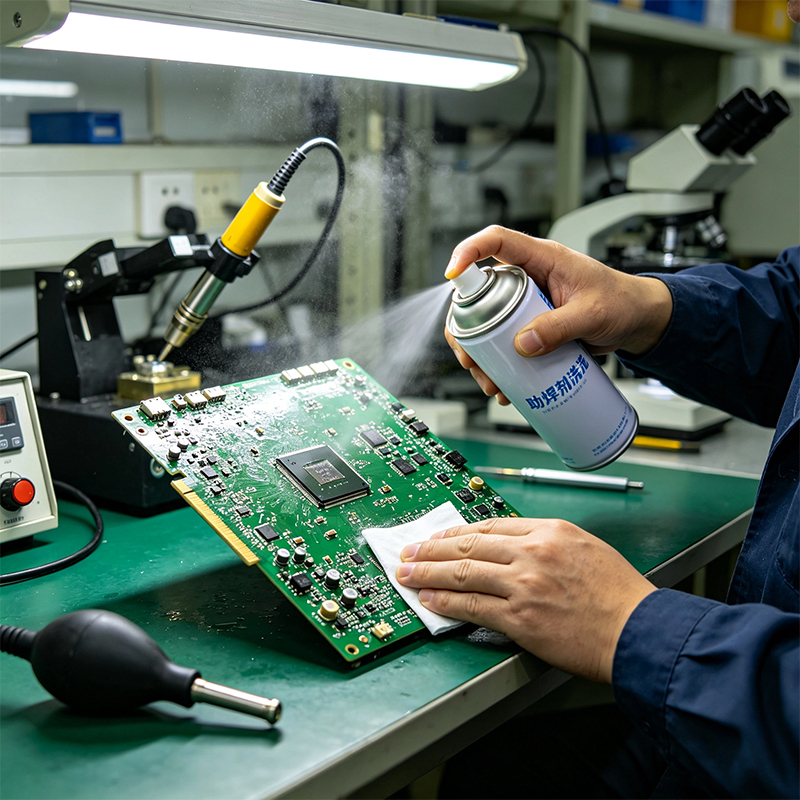
You've definitely had this happen. A circuit board that's been used for years, covered in dust, sticky residue, or even mystery liquid. The device starts acting up—buttons don't respond, signals are f……
You're designing an electronic product. Maybe an industrial controller, an automotive system, a medical device, or a communication module that needs to survive extreme vibration. You open your design ……


 English


 Wechat
 +86 13670210335
 +86 13670210335
 E-mail